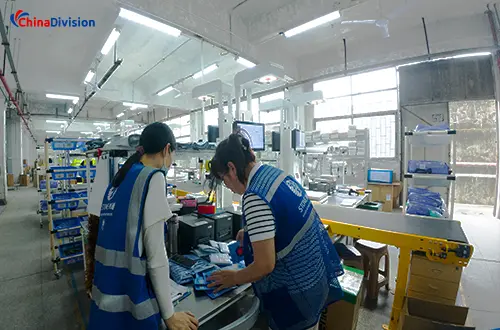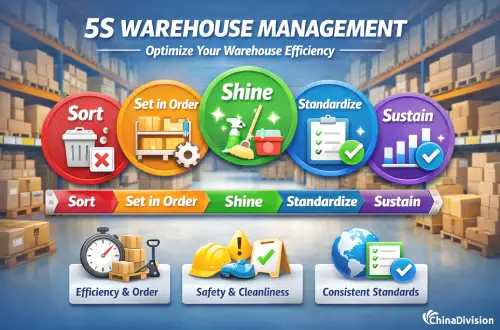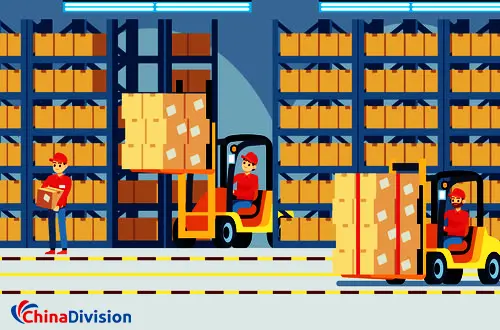

5S warehouse management includes Seiri, Seiton, Seiso, Seiketsu, and Shitsuke, aiming to maximize efficiency, safety, and productivity by systematically organizing and standardizing the workspace
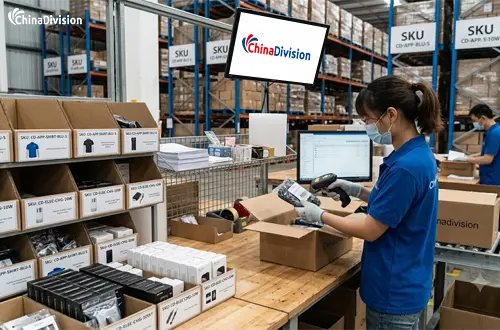
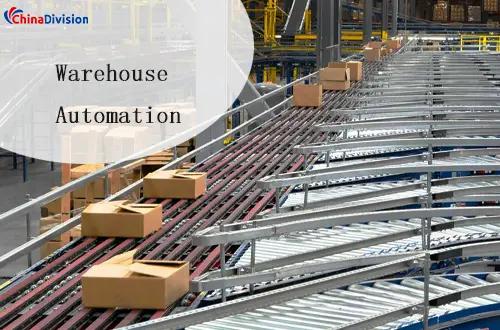
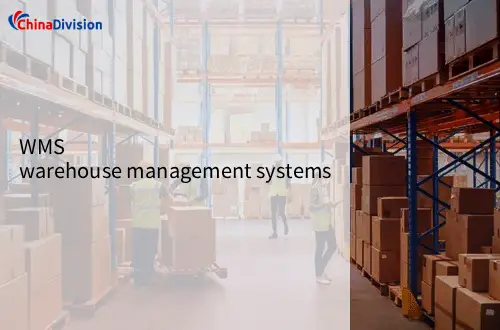
a WMS (Warehouse Management System) improves warehouse labor efficiency by automating workflows, optimizing picking routes, and providing real-time visibility
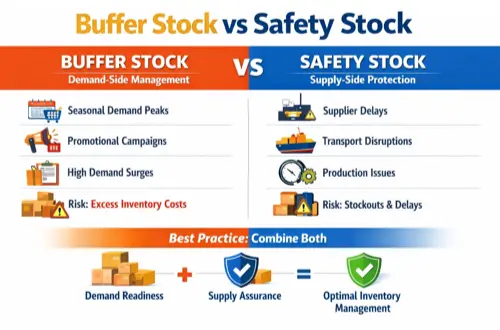
Buffer Stock is held to protect business from demand-side volatility (marketing surge), while Safety Stock is held to protect against supply-side disruptions (delay in manufacturing)
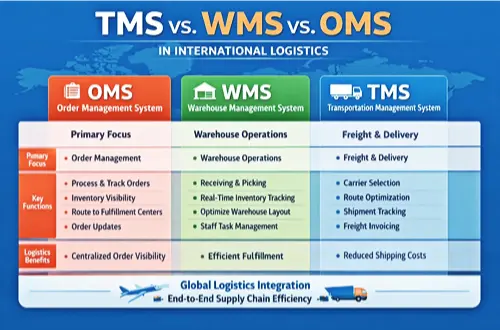
OMS ensures accurate order processing and visibility, WMS optimizes warehouse operations and inventory control, and TMS manages carrier selection, route optimization, and shipment tracking
The most efficient warehouse aisle layout depends on the balance between your specific storage density needs and the mobility requirements of your material handling equipment
Inventory management focuses on inventory quantity and replenishment time, while warehouse management focuses on the storage location of inventory and how to efficiently fulfill orders
What is a loading dock? What types or categories are there? How can warehouse efficiency be improved? What factors influence the choice of loading dock?
What is ERP Warehouse Management? What's the difference between ERP and WMS? What are the core functions and advantages of ERP warehouse management?
What is a Warehouse Execution System (WES)? What is the difference between a WES and a WMS? How do you choose the right warehouse logistics software system?
Have you ever struggled with how to confidently tell customers when their orders will arrive? How can Order Promising improve your delivery competitiveness?