

How to Improve Warehouse Labor Efficiency Using a WMS
The most effective way to improve warehouse efficiency and reduce labor costs is by implementing a Warehouse Management System (WMS). A WMS automates core warehouse management processes—inventory tracking, picking, packing, and shipping—allowing fulfillment centers to operate with precision, speed, and minimal human error. For international order fulfillment providers like Chinadivision, leveraging a WMS transforms warehouse operations into a data-driven, high-performance logistics network that supports global e-commerce growth.
Table of Contents
- What Is a Warehouse Management System (WMS)?
- Why WMS is essential for modern warehouse management?
- Key Ways a WMS Improves Warehouse Efficiency
- Practical example in international fulfillment
- Steps to Implement a WMS for Maximum Efficiency
- Why WMS matters for international freight and fulfillment?
- Why Chinadivision Is Your Ideal WMS-Enabled Fulfillment Partner
- Frequently Asked Questions (FAQs)
- Why should B2B users choose Chinadivision's international order fulfillment services?
What Is a Warehouse Management System (WMS)?
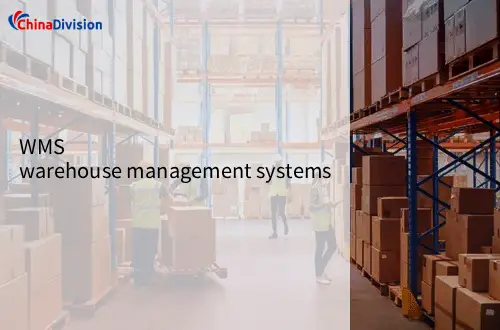
A Warehouse Management System is a digital platform that manages and optimizes warehouse operations from inbound receiving to outbound shipping. It integrates with ERP and transportation systems to provide real-time visibility, automate workflows, and enhance decision-making. For B2B sellers, a WMS is not just a software tool—it’s the backbone of modern warehouse management and international fulfillment.
Why WMS is essential for modern warehouse management?
In international order fulfillment, labor efficiency directly impacts delivery speed, cost control, and customer satisfaction. A robust Warehouse Management System (WMS) transforms traditional warehouse management into a data-driven, highly optimized operation.
For global sellers handling high order volumes, multiple SKUs, and cross-border shipments, improving warehouse efficiency is not optional—it’s a competitive advantage.
Organizations implementing modern WMS platforms consistently achieve 15–35% reductions in labor costs, 20–35% faster order fulfillment, and 25% improvements in labor productivity
Key Ways a WMS Improves Warehouse Efficiency
- Real-Time Inventory Accuracy
A WMS eliminates manual counting errors by providing instant visibility of stock levels and locations. This ensures that every item is tracked from arrival to dispatch, reducing time wasted searching for products and preventing stockouts or overstocking.
- Optimized Picking and Packing
Intelligent algorithms determine the most efficient picking routes, minimizing travel time and boosting throughput. Workers can complete more orders per hour, improving overall warehouse labor efficiency.
- Streamlined Workflows and Automation
Automated processes—from receiving to shipping—reduce manual intervention. Barcode scanning and RFID integration ensure real-time data capture, enabling faster order fulfillment and higher accuracy.
- Enhanced Space Utilization
A WMS analyzes product movement and demand frequency to optimize storage layouts. High-demand items are placed in accessible zones, maximizing usable space and reducing unnecessary movement.
- Labor Management and KPI Tracking
Managers can monitor performance metrics such as order accuracy, task completion time, and productivity per worker. This data helps identify bottlenecks and allocate labor effectively, ensuring balanced workloads and improved morale.
Practical example in international fulfillment
A cross-border eCommerce company using Chinadivision’s WMS reduced picking time by over 30% by implementing optimized picking routes and real-time inventory tracking. This allowed them to handle peak season volumes without increasing labor costs.
Steps to Implement a WMS for Maximum Efficiency
- Evaluate Current Processes: Map existing workflows and identify inefficiencies before automation.
- Integrate Technologies: Use barcode scanners or RFID for real-time tracking.
- Optimize Layout: Arrange stock strategically for faster access and reduced travel time.
- Analyze and Improve: Continuously monitor KPIs and refine workflows using WMS analytics.
- Train Staff: Ensure all warehouse personnel understand how to use the system effectively.
Why WMS matters for international freight and fulfillment?
Warehouse efficiency doesn’t exist in isolation—it directly affects your shipping performance:
Faster picking leads to earlier dispatch and shorter delivery times
Accurate inventory reduces customs issues caused by incorrect declarations
Better coordination with freight forwarders ensures smoother international shipping
At Chinadivision, our WMS is integrated with transportation and order management systems, creating a seamless flow from order placement to final delivery.
Why Chinadivision Is Your Ideal WMS-Enabled Fulfillment Partner
As a professional international order fulfillment service provider, Chinadivision combines advanced Warehouse Management System technology with global logistics expertise to deliver:
- Real-time inventory visibility across multiple warehouses.
- Automated order processing integrated with e-commerce platforms.
- Optimized labor allocation for faster picking and packing.
- Compliance-ready documentation for international freight forwarding.
- Scalable solutions for cross-border sellers expanding into new markets.
By partnering with Chinadivision, B2B clients gain a competitive edge through efficient, transparent, and cost-effective warehouse operations—powered by intelligent WMS automation.
Frequently Asked Questions (FAQs)
1. How does a WMS reduce warehouse labor costs?
By automating repetitive tasks and optimizing workflows, a WMS minimizes manual labor and increases productivity per worker.
2. Can a WMS integrate with my existing e-commerce platform?
Yes. Chinadivision’s WMS integrates seamlessly with major platforms like Shopify, Amazon, and WooCommerce for real-time order synchronization.
3. Can a WMS handle both small e-commerce parcels and large B2B pallet shipments?
Yes. An advanced Warehouse Management System is designed for multi-channel fulfillment. It can manage "each" picking for B2C orders while simultaneously coordinating heavy-duty equipment for "case" or "pallet" picking for B2B distribution.
4. How does Chinadivision ensure accurate international shipping?
Our WMS connects directly with freight forwarding systems to generate compliant shipping documents and track parcels globally.
5. Is WMS suitable for small and medium-sized businesses?
Absolutely. Chinadivision’s scalable WMS solutions help SMEs achieve enterprise-level efficiency without high upfront costs.
Why should B2B users choose Chinadivision's international order fulfillment services?
Chinadivision offers comprehensive international order fulfillment services, including state-of-the-art WMS solutions that enhance warehouse efficiency, reduce costs, and ensure timely delivery. Our expertise in international freight forwarding and commitment to customer satisfaction make us the ideal partner for businesses looking to optimize their global supply chain operations.
By implementing a robust WMS and partnering with a reliable international order fulfillment service provider like Chinadivision, businesses can achieve significant improvements in warehouse labor efficiency, streamline operations, and gain a competitive edge in the global market. Partner with Chinadivision today to implement a WMS-driven fulfillment strategy that improves warehouse efficiency, reduces labor costs, and accelerates your global shipping performance.


About the Author: Limi

Limi is a content marketing expert at ChinaDivision, helping businesses and e-commerce sellers navigate the complexities of international shipping by providing actionable tips and comprehensive guides on logistics, shipping, and cargo transportation.