Provide sorting and packaging, supporting assembly and reverse logistics services, and achieve efficient inventory management for you through order processing and customer service
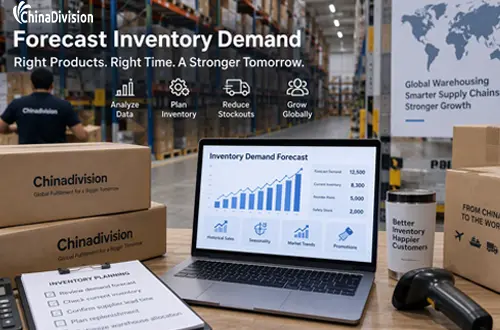
Learn how to forecast inventory demand accurately using proven forecasting methods, safety stock calculations, lead time planning, and international fulfillment insights
What inventory records should include, how to reconcile warehouse stock, prevent overselling, and manage international ecommerce fulfillment with a 3PL
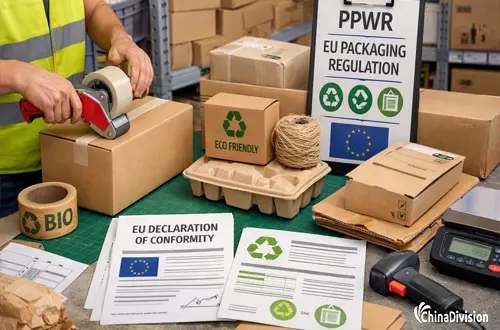
Confused by the new EU Packaging and Packaging Waste Regulation (PPWR) taking effect August 12, 2026? Learn how PPWR affects packaging waste compliance, EPR reporting, storage operations, and shipping from China to Europe
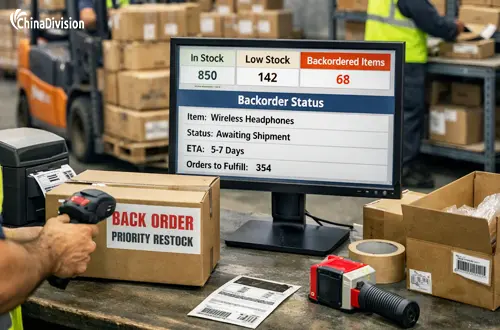
Learn exactly what causes backorders, how they differ from out-of-stock or backlog, proven strategies to prevent and manage them, and how fulfilment provider protects your business worldwide
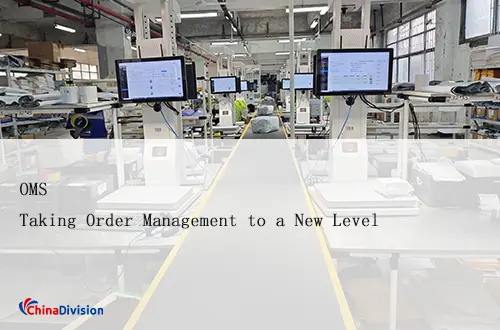
Learn what an Order Management System (OMS) is, how it works, and how it improves order accuracy, inventory visibility, and fulfillment efficiency
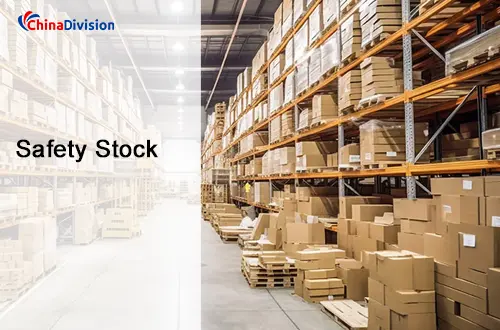
The right safety stock level helps prevent stockouts without creating excessive inventory costs. How to optimize inventory across international warehouses and fulfillment networks
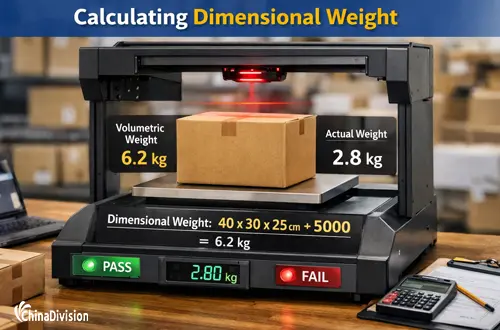
Confused why your lightweight fluffy goods get charged far more than their actual weight? Actual Weight vs Volumetric Weight: What Is the Difference?
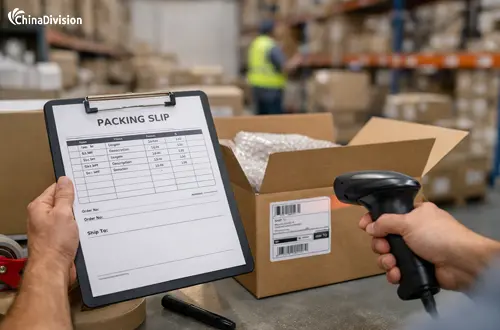
Learn how e-commerce businesses can use professional packing lists to optimize global order fulfillment, avoid customs delays, and eliminate inventory discrepancies
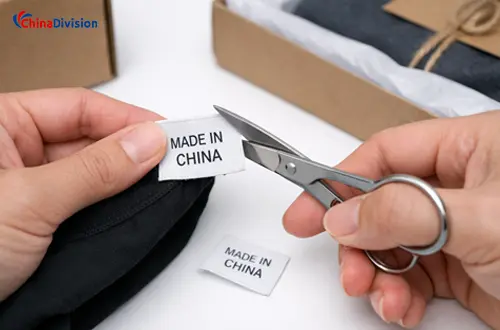
Sell and source products from China without showing "Made in China" or "Shipped from China" by using global warehousing, local fulfillment, professional repackaging, and smart logistics strategies
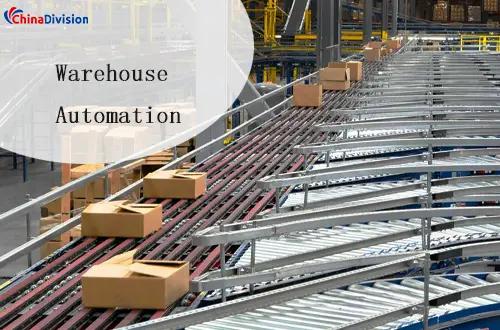
Sortation systems are a core part of warehouse automation that use conveyors, scanners, diverters, and software to identify, route, and send items to the right destination quickly and accurately