

Why Is My Package Not Updating? How to Track Any Shipment (FCL, UPS, International)
In an age where goods move quickly and seamlessly cross borders, the ability to track packages has become a valuable tool for businesses and individuals. Whether you're eagerly awaiting a precious package or ensuring timely delivery of essential goods, the process of tracking your international shipments is an important aspect of the modern logistics landscape.
Table of Contents
As packages travel through different countries, they encounter customs processes, different shipping networks and different tracking systems.
As your package passes through various checkpoints, you may find yourself refreshing the tracking page with anticipation. But what if the information seems stagnant or non-existent? In the digital age, with the world at our fingertips, the occasional hiccup in delivery can be disconcerting.
In this blog post, we take a journey through the intricate international shipping network, exploring frequently asked questions and providing insightful answers to help you navigate the complexities of cross-border parcel tracking.
Tracking packages is an important aspect of the shipping process, providing transparency, assurance and control over the shipping journey.
A Comprehensive Guide to Tracking Your Package
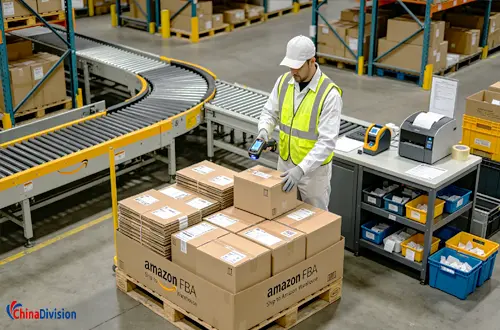
How do I track a package?
Tracking a package is simple if you have the shipment tracking number. Enter the tracking number on the carrier's official website (such as USPS, UPS, DHL, FedEx, or your courier) to see real-time shipping updates. For international shipments, the same tracking number usually works throughout the entire transportation process, although tracking may temporarily pause during customs clearance or when the parcel is transferred to another carrier.
If tracking information hasn't updated for several days, it doesn't always mean the package is lost. International shipments often experience scanning delays while crossing borders or waiting for customs inspection.
Get tracking number
Make sure you have a tracking number from your shipping or logistics company. This unique identifier is the key to accessing real-time information about the location and status of your package.
Logistics website query
Go to the official website of the relevant transportation or logistics company. Most operators have dedicated tracking tools on their homepage. Avoid tracking by third-party websites to ensure accuracy.
Enter number and track package
This step will initiate the tracking process and provide access to detailed information about the package.
Check regularly for updates
Track your packages regularly, especially at key transit points such as customs clearance and delivery stages. Some carriers also offer email or SMS notifications for significant tracking events.
Understand tracking status
Familiarize yourself with common tracking statuses such as "In Transit," "Pending," and "Delivered." Understanding these statuses will give you insight into the current stage of your package's journey.
Customs clearance waiting
If your package is international, be prepared for delays during customs clearance. The customs process may take time, and your tracking information may not be updated frequently during this stage.
Utilize third-party tracking services (optional)
Consider using a third-party tracking service to consolidate information from multiple carriers. If you have shipments from different carriers, matching third-party freight providers may be helpful.
Verify shipping address
Make sure the shipping address provided during the ordering process is accurate. Incorrect addresses may cause delivery issues. Some carriers allow you to update delivery preferences or reroute packages as needed.
Track local postal service (for international shipments):
If your package is handed over to a local postal service in the destination country, please use the same tracking number on the local postal service's website so it can be updated within their network.
Keep records of tracking information
Maintain a record of your tracking information, including date and status. This is useful if you need reference details or if there is a problem during shipping.
Be alert after "delivery"
Once your package is marked "Delivered," please verify its actual arrival. Ask neighbors, family members or common drop-off points. If the package is indeed missing, please contact the shipping company promptly.

By following these steps, you can efficiently navigate the tracking process, ensuring you are always aware of your package's journey from origin to destination. Tracking your package should be a proactive and empowering experience, giving you peace of mind throughout the entire shipping process.
FCL Logistics Tracking Status Glossary
Most FCL container tracking confusion comes from unclear official status definitions. Below are the most common FCL shipping statuses and what each means for your cargo timeline:
- Loaded on Vessel: Your container is sealed and loaded onto the ocean vessel; the shipment is officially ready for transit.
- Departed Origin Port: The vessel has left the loading port and is sailing to the destination country.
- In Transit / At Sea: No daily location updates are normal during ocean crossing; updates usually pause for 3–10 days on long-haul routes.
- Arrived at Destination Port: Vessel has docked; container waiting for unloading and customs clearance processing.
- Customs Clearance Pending / On Hold: Cargo is under customs inspection, document verification, or duty assessment; this is the most common cause of tracking stagnation.
- Cleared Customs: Goods pass official inspection and are released for inland delivery or warehouse pickup.
- Out for Delivery / Final Mile: Container or parcel is dispatched to the final consignee address or warehouse.
- Delivered: Shipment has reached the destination warehouse or recipient location.
Why Is Your FCL/Parcel Tracking Not Updating? Top 6 Common Causes & Fixes
Stagnant or frozen tracking is the top user pain point for cross-border logistics. Most non-updating statuses are not lost cargo — they are normal logistics cycle delays. Here are the most frequent reasons and actionable solutions:
- Ocean transit data pause: FCL containers do not update in real time at sea. Carriers only refresh statuses at port checkpoints, causing multi-day blank tracking periods.
- Customs clearance hold: Missing documents, HS code mismatches, random inspections, or anti-dumping duty reviews will pause all tracking updates until cleared.
- Port congestion & vessel schedule changes: Peak season port backlogs, weather delays, or vessel rescheduling delay status synchronization.
- Carrier system synchronization delay: Official website data often lags 12–48 hours behind actual cargo status.
- Local carrier handover gap: International parcels transferred to local postal services often stop updating on original carrier platforms.
- Incorrect tracking/B/L number input: Typos or using expired reservation numbers lead to empty tracking results.
FCL vs LCL Tracking: Key Differences Shippers Must Know
Many users fail to track cargo correctly because they confuse FCL (Full Container Load) and LCL (Less than Container Load) tracking rules:
| Tracking Dimension | FCL Full Container Tracking | LCL Consolidated Cargo Tracking |
|---|---|---|
| Tracking Identifier | Bill of Lading (B/L) number or container number | Master B/L + house B/L or parcel tracking code |
| Update Frequency | Low (only port departure/arrival events) | Higher (split warehouse and last-mile updates) |
| Customs Delay Risk | Single-container inspection only | Entire consolidated container hold if one parcel has issues |
| Best Tracking Method | Official carrier website + forwarder real-time update | Forwarder dedicated tracking platform |
General guidance on how to track your parcel
How to track full container logistics?
Tracking fully loaded containers in logistics involves monitoring the movement and status of the containers from their origin to their final destination. Visit the official website of FCL Logistics or the platform where you ship. The bill of lading (B/L) or reservation number is the unique identifier associated with your FCL shipment. Look for the "Track" or "Track Shipment" section and enter the tracking number provided associated with your shipment. The tracking system will display the current status and location of fcl logistics tracking.
How to track your temu package?
Go to the TEMU container tracking website or use the tracking tool provided by the shipping company. Enter the container number assigned to your shipment to view the tracking information provided, including the container's current location and status.
How to track sky freight package?
Visit Sky Freight's official website or use the tracking tool provided by the shipping company and enter the tracking number associated with your Sky Freight package to view real-time status and location.
TEMU Package Tracking:
TEMU may be associated with a specific carrier or transportation service. You can find information about your TEMU package by visiting the carrier's website, looking for the tracking section and entering the tracking number provided for your TEMU package.
SHEIN package tracking:
Log in to your SHEIN account, go to the order or shipment tracking section and enter the tracking number from the SHEIN website or the website of the carrier used by SHEIN to view tracking information to know the current status of your SHEIN package.
How to track ups package without tracking number?
UPS Package Tracking (No Tracking Number):
If you do not have a UPS tracking number, try contacting the sender or shipper to obtain it. Check your shipping confirmation email; a tracking number is usually included with this communication.
If you are the recipient, check to see if the sender has provided a link to track your package directly.
If you still can't find your tracking number, please contact UPS Customer Service and provide the relevant details, such as your name, address, and any reference number provided by the sender.
Recommended External Resources


About the Author: Limi

Limi is a content marketing expert at ChinaDivision, helping businesses and e-commerce sellers navigate the complexities of international shipping by providing actionable tips and comprehensive guides on logistics, shipping, and cargo transportation.