

CIF Shipping in E-commerce: When and How to Avoid It
Choosing the wrong shipping terms can result in a 15-30% loss of profits. Here's how to determine if CIF (Cost, Insurance, and Freight) is right for your e-commerce business model, or if it's quietly killing your profitability.
Table of Contents
What is CIF Shipping?
CIF (Cost, Insurance, and Freight) is an international trade term where the seller pays for ocean freight and insurance to the port of destination, but the risk transfers to the buyer when the goods cross the ship's rail at the port of origin.
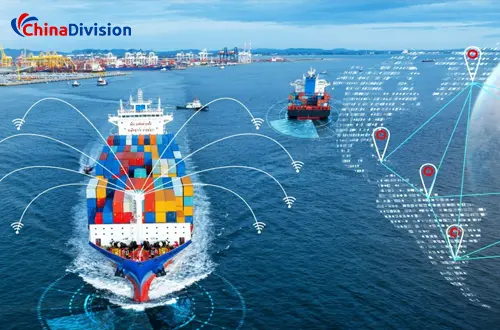
Important Note: According to Incoterms® 2020, CIF applies only to sea and inland waterway transport. If you are shipping by air, express (such as FedEx/DHL), or rail, you should not use the CIF term.
Key Difference: You pay for freight and insurance, but you do not have risk protection. If the container falls into water or moisture damages your electronic devices, you can file a claim according to the seller's policy, not the seller's.
E-commerce Reality Test: CIF only applies to sea and inland waterway transport. If you are shipping by air, courier, or rail, there is no CIF option. Many sellers discover this too late, forcing them to switch to logistics at the last minute, thus disrupting delivery schedules.
Key Characteristics of CIF
| Factor | CIF Rule |
|---|---|
| Transport Mode | Ocean & inland waterway only |
| Freight Paid By | Seller |
| Insurance | Seller (minimum coverage) |
| Risk Transfer | When goods loaded on vessel |
| Import Clearance | Buyer |
How CIF Works: Division of Responsibilities
A CIF contract strictly defines the end point of the seller's responsibility and the beginning point of the buyer's responsibility.
- Seller's Responsibilities (“Export” Phase)
The seller is responsible for everything before the goods arrive at the port of destination:
Export Licenses and Documents: Obtain all necessary licenses.
Inspection: Pay for product inspection before shipment.
Packaging: Ensure the goods meet international maritime standards.
Local Charges: Loading costs at the port of origin and export clearance fees.
Freight and Insurance: Pay sea freight to the port of destination and provide a minimum insurance policy (usually 110% of the value of the goods).
- Buyer's Responsibilities (“Import” Stage) Once the vessel arrives at the port of destination, the buyer takes control of the transaction:
Unloading: Pay Terminal Handling Charges (THC) at the destination.
Import Customs: Handle customs clearance procedures, pay duties and VAT/taxes.
Final Journey: Transport the goods from the port to the final warehouse or logistics center.
The “Risk Transfer” Paradox Many e-commerce sellers are confused here. Under CIF terms:
The seller bears the costs of insurance and freight.
However, once the goods are loaded onto the ship in the country of origin, the risk transfers to the buyer.
If the vessel encounters a storm at sea, resulting in damage to your goods, you (the buyer) are responsible for filing a claim with the insurance company, not the seller.
Advantages and Disadvantages for E-commerce Merchants
Advantages
Beginner-friendly: If you are a new importer, CIF terms “require no effort on your part.” The seller handles the complexities of booking with ocean carriers.
Less upfront investment: You do not need to vet freight forwarders in the country of origin.
Automatic Insurance: You get basic coverage without needing to purchase separate insurance.
Disadvantages
"Blind" Costs: Sellers often add markups to shipping and insurance to increase profit margins.
Limited Control: You cannot choose the carrier, route, or shipping time.
Insurance Gap: CIF terms only require "minimum" insurance. For fragile or high-value e-commerce electronics, this may not cover your entire loss.
Hidden Port Charges: Buyers are often shocked by the high "arrival charges" at the destination port, which sellers do not disclose.
Frequently Asked Questions (FAQ) When should I use CIF?
CIF is best suited for new importers or small businesses shipping low-value, non-fragile bulk goods by sea. It allows you to focus on sales while the supplier handles export logistics. However, as businesses grow, most professional traders abandon CIF for better cost control.
What is the difference between CIF and FOB?
CIF (Cost, Insurance and Freight): The seller pays for the goods to be shipped to your country's port. You pick up your goods at the dock.
FOB (Free On Board): Once the goods are loaded onto the ship at the port of origin, the buyer gains control. You can choose the shipping company and pay the freight. Experienced e-commerce sellers often prefer FOB terms because they give you complete control over costs and time.
Does CIF include customs clearance fees?
It only covers export customs clearance. The buyer is still responsible for import customs clearance, duties, and taxes in their country. If you want a hassle-free experience (duties are included), you should choose Delivery After Duties (DDP) terms.
What is the difference between CIF and DDP?
CIF: Completion is complete once the goods arrive at the port of destination. You are responsible for the "last mile" transportation and import taxes.
DDP: The Amazon-style model. The seller is responsible for everything—freight, insurance, duties, and delivery to your warehouse door.
Should e-commerce sellers choose CIF?
For most online merchants, CIF is not the most cost-effective or lowest-risk shipping method, especially when handling small parcels, time-sensitive products, or orders involving multiple countries. While CIF seems convenient, it often leads to hidden costs, limited insurance coverage, and slow customs clearance.
If your e-commerce business prioritizes speed, reliability, and cost control, consider using a logistics partner that offers complete DDP or fulfillment solutions instead of relying on CIF.
Scale your e-commerce business with Chinadivision
CIF terms may seem simple, but they often hide costs that erode profits. If you source products from China, you need a partner who understands the nuances of e-commerce logistics.
Chinadivision provides end-to-end supply chain solutions, covering warehousing, quality control, global order fulfillment, and optimized shipping. Whether you operate a Shopify store, an Amazon business, or an independent e-commerce brand, Chinadivision helps you manage logistics smarter. From inventory management and order fulfillment to providing transparent pricing and end-to-end tracking for international shipping, we handle all the complexities, allowing you to focus on business growth.
Contact Chinadivision today to streamline your shipping process and ship your products faster, safer, and more economically!


About the Author: Limi

Limi is a content marketing expert at ChinaDivision, helping businesses and e-commerce sellers navigate the complexities of international shipping by providing actionable tips and comprehensive guides on logistics, shipping, and cargo transportation.