

How to minimize transit time after sea freight arrives at port?
Logistics providers aim not only to shorten sailing time but, more importantly, to shorten port turnaround time. The biggest delays usually occur after cargo arrives, not during sea transport. Therefore, professional freight forwarders treat cargo arrival at port as a time-sensitive operation requiring coordination, including customs clearance, terminal pickup, and land transportation.
Table of Contents
Core Principle: Everything that can be done before arrival must be done before arrival.
Minimizing transit time after sea freight arrives at port:
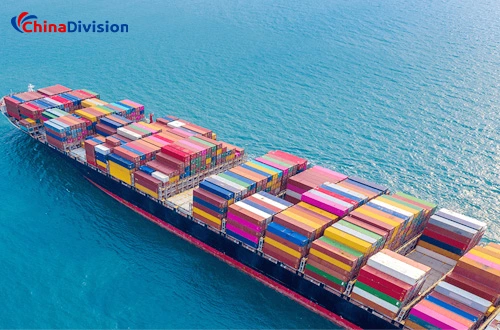
To minimize transit time after sea freight arrives, all customs clearance and delivery preparations should be completed before the vessel berths, enabling "instant clearance, instant pickup, and instant delivery." This means declaring customs information in advance, pre-booking trucks, verifying documents, and coordinating with logistics partners who can act immediately upon vessel arrival. With proper preparation and professional international freight forwarding services, containers can typically be released and delivered within 24 to 72 hours of arrival at major ports.
72 Hours Before Arrival
Professional freight forwarding companies complete all customs clearance and delivery preparations before the vessel docks, thus shortening transit time.
- Pre-approval and Document Review
Please submit all documents 3-5 days before arrival:
Commercial Invoice
Packaging List
Bill of Lading
HS Code
Certificates (Certificate of Origin, Compliance Certificate, Inspection Certificate, etc.)
The customs broker can then begin pre-declaration.
Once approved, the goods will be automatically released after unloading.
Professional Tip: Correct HS classification is the primary factor in avoiding inspection delays.
- Advance Booking of Truck Transport and Terminal Pickup
Experienced freight forwarders will:
Book truck transport space in advance
Arrange backup vehicles
Use their own fleet or priority fleet
Confirm terminal pickup window
During peak season, this can avoid waiting 1-3 days for trucks.
- Track Estimated Vessel Arrival Time and Terminal Schedule
Professional service provider monitoring:
Vessel location (AIS tracking)
Estimated arrival time updates
Berth arrangement
Container unloading instructions
Any delays will immediately trigger rescheduling with customs and freight teams.
Within 24 hours of arrival: Instant clearance + Instant pickup
Instant release: Automatic release + Priority inspection
Pre-cleared goods will be released within 1-2 hours of arrival. If inspection is required, please prepare product descriptions and inspection reports in advance.
Tip:
Use paperless customs clearance – saves 3-5 hours.
Instant pickup: Fast terminal lane
Use fast pickup lanes (e.g., Matson C60, Yantian Fast Pickup).
No appointments, no queues – pickup within 4-6 hours.
FCL Advantages:
3 times faster than LCL.
LCL Tips:
Arrange “priority unpacking” to complete sorting within 12 hours.
Seamless Delivery: Trucks arrive one hour before pickup and deliver directly, without stops.
Same City: Same Day
Intercity: Next Day
Remote Areas: Pre-planned Dedicated Routes
Key Tips for Shortening Delivery Time (Even During Peak Season):
Choose the Right Channels and Ports: Fast ships + dedicated terminals (Matson, Zim) can save 2-3 days.
Choose efficient hub ports (Port of Los Angeles, Shenzhen Yantian Port).
Prioritize Full Container Load (FCL) Cargo; Use Dedicated LCL Cargo Routes: FCL shipping avoids LCL delays.
LCL express lines are 5-7 days faster than regular LCL shipping.
Advanced Risk Management: Prepare backup documents, spare vehicles, and an emergency communications team. Respond to anomalies within 10 minutes.
Why is my cargo still showing "Pending" 48 hours after the ship docked?
This is usually due to "Customs Detention" or "Terminal Congestion." If a pre-clearance application has not been submitted, customs may manually review your HS code. Please ensure your customs broker has submitted Form 7501 (Import Summary Form) as early as possible.
Frequently Asked Questions (FAQ)
How quickly can I pick up my goods after customs clearance?
With fast-track terminals and pre-arranged trucks, full container loads (FCL) can be picked up within 4-6 hours of arrival.
Is FCL faster than LCL?
Yes. Full container load (FCL) shipping eliminates unpacking and warehouse sorting, making it up to 3 times faster than less-than-container load (LCL) shipping. LCL shipping requires "priority unpacking" arrangements to avoid delays.
By integrating pre-clearance, real-time tracking, and dedicated last-mile delivery services, ChinaDivision helps clients reduce turnaround times from days to hours—even for large shipments. Whether your cargo is destined for the US West Coast, Europe, or emerging overseas hubs, our expert logistics coordination ensures your goods reach their destination faster, safer, and more predictably.
Ready to speed up your ocean freight delivery?
Contact ChinaDivision today for customized logistics solutions to minimize every hour after your cargo arrives.


About the Author: Limi

Limi is a content marketing expert at ChinaDivision, helping businesses and e-commerce sellers navigate the complexities of international shipping by providing actionable tips and comprehensive guides on logistics, shipping, and cargo transportation.