

Reasons for Secondary Customs Clearance of International Goods
Secondary customs clearance refers to a formal review process initiated by the customs system when inconsistencies, risk signals, or missing information are detected after initial clearance. From the perspective of third-party international logistics providers, this is a risk control mechanism, not random sampling.
Table of Contents
In most cases, with complete documentation and professional coordination, the issue can be resolved quickly; however, inaccurate declarations, incorrect cargo classification, or incomplete compliance documents can lead to delays.
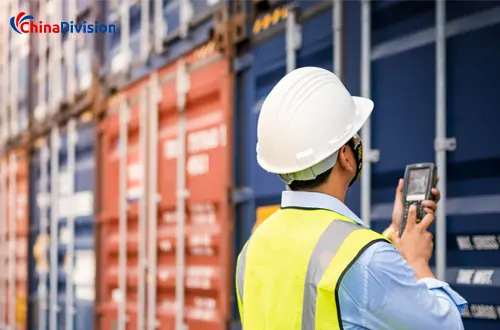
Working with experienced logistics partners helps prevent secondary customs clearance and quickly resolve issues when it is triggered.
Why does secondary customs clearance occur for international goods?
In international freight operations, customs authorities use an automated risk control system combined with manual review. Goods may be initially released, but if inconsistencies are found during system checks, X-ray scans, or destination verification, they may still be flagged.
- Inconsistent Declarations (Most Common)
The main trigger is a discrepancy between the declared and actual cargo information:
Generic or ambiguous product names
Incorrect HS code classification
Underreported value
Quantity discrepancies
Weight discrepancies
During peak periods, customs may release goods quickly before conducting a secondary system inspection. Any anomalies may trigger a re-inspection request.
From a logistics provider's perspective, accurate HS (Customs Declaration Data) is the most effective way to avoid delays.
Professional Tip: Chinadivision's experienced customs declaration team reviews all invoices, packing lists, and product data before shipment to ensure consistency and compliance, thereby minimizing the risk of product recalls after release.
- Sensitive Goods Declared as General Goods
Goods containing sensitive items, if improperly declared, often trigger secondary customs clearance:
Batteries or electronic components
Cosmetics or skincare products
Food or supplements
Branded goods
Magnetic products
These items require specific shipping channels and documentation.
If transported as general goods, they may pass initial inspection but will be detected during X-ray inspections or compliance reviews. Severe cases may result in:
Detention
Returns
Destruction
Professional Tip: Always use the correct shipping channels for sensitive goods and provide relevant supporting documentation (e.g., battery safety data sheets, food import licenses, brand authorization letters, etc.). Chinadivision can provide advice on the correct shipping routes and document preparation for each product type.
- Policy Changes or Customs System Updates
Sometimes, secondary customs clearance is caused by factors beyond the shipper's control:
Temporary inspection actions
Anti-dumping inspections
Security policy updates
Customs system upgrades
Goods previously released may be re-inspected when the system is updated or new risk rules are applied. These situations usually cause delays but do not incur penalties.
Professional Tip: Reliable logistics partners actively monitor customs policy updates and remind shippers of potential clearance delays before shipment.
- Transportation Anomalies
The customs system monitors logistics routes and package integrity.
Triggering conditions include:
Damaged or repackaged goods
Multiple transport hubs
Bulk shipments where one package has a problem
Suspicious routing patterns
If a problem occurs with one shipment in a consolidated batch, the entire batch may need to be re-inspected.
Professional Tip: Chinadivision uses real-time cargo tracking and anomaly alerts to respond quickly and submit corrective documents to customs when anomalies are detected.
- Recipient Information Issues
Incomplete or inaccurate recipient information may also trigger secondary customs clearance:
Invalid phone number
Incorrect address
Unknown importer identity
Missing tax identification number
If final delivery verification fails, the goods may be returned to customs for reconfirmation.
Professional Tip: Always verify the recipient's name, address, and phone number before shipping. Chinadivision's pre-shipment data verification system helps detect errors early and avoid costly return processes.
Misconception: Secondary customs clearance ≠ Automatic fines
Many shippers believe that secondary customs clearance means fines, but this is not always the case.
Minor issues (simple declaration errors, missing details) can be resolved by supplementing documents.
Only intentional violations—such as underreporting value, concealing sensitive goods, or shipping counterfeit goods—will result in fines, seizure, or return.
Most secondary clearance cases are resolved by:
Providing additional documentation
Rectification statement
Paying adjusted taxes
Penalties typically only occur in the following situations:
Intentional underreporting
Concealing sensitive items
Counterfeit goods
Prohibited goods
With professional handling, many shipments can be released smoothly, avoiding fines.
How logistics providers can reduce the risk of secondary clearance
Professional international logistics partners will conduct pre-shipment compliance checks:
HS code verification
Value assessment
Sensitive item screening
Document review
Destination compliance check
If secondary clearance occurs, they can:
Communicate with customs
Submit supplementary documentation
Schedule inspection
Coordinate with destination agents
Expedite release
This proactive management approach can significantly reduce delays.
Frequently Asked Questions (FAQ)
Does secondary clearance mean there's a problem with my package?
Not necessarily. Many cases involve routine reviews due to missing or unclear information.
How long does secondary clearance take?
Generally, minor issues take 1-3 days; it takes longer if sensitive goods or policy checks are involved.
Will I be fined?
Action is only taken if customs determines there has been intentional misrepresentation, concealment, or counterfeiting of goods.
Can secondary clearance be expedited?
Yes—by providing complete documentation, product details, and proof of value immediately.
Why was my package recalled after passing the first inspection?
Because the customs system conducts post-release audits, especially during peak seasons.
What assistance can logistics providers offer?
Professional service providers can:
Provide accurate documentation
Communicate with customs
Provide compliance guidance
Prevent future secondary clearance issues
Need assistance with customs clearance or international shipping?
Secondary clearance can be very stressful, especially without professional support.
An experienced logistics partner can help you by:
Preventing customs clearance issues
Resolving secondary inspections
Reducing delays and costs
Ensuring shipping compliance
ChinaDivision provides end-to-end international logistics solutions, including compliance reviews, customs coordination, and rapid problem resolution.
At ChinaDivision, we frequently assist clients with secondary customs clearance issues. Leveraging our extensive experience in international freight forwarding and customs liaison, we help shippers understand that the root of problems often lies in the accuracy of documents, product classification, and declared value.
If your shipments encounter customs issues, or if you wish to avoid them entirely, contact ChinaDivision immediately. Our team will assist you in arranging secure transportation, smooth customs clearance, and reliable international delivery services.
Partner with ChinaDivision for reliable global shipping
ChinaDivision has years of experience in cross-border e-commerce and B2B freight forwarding, providing proactive customs compliance management, real-time cargo tracking, and end-to-end logistics support. Whether you need to prepare for a smooth initial customs clearance or quickly resolve subsequent customs issues, our experts can help you minimize risks and ensure your international trade runs efficiently.


About the Author: Limi

Limi is a content marketing expert at ChinaDivision, helping businesses and e-commerce sellers navigate the complexities of international shipping by providing actionable tips and comprehensive guides on logistics, shipping, and cargo transportation.