

Packaging and Labeling Principles for Toy Shipping
Effective toy packaging is the first line of defense in toy shipping, especially in international transport where goods face multiple handling points and environmental changes. This includes preventing damage (using ISTA 3A tested materials, waterproof and shock-absorbing materials), and labeling that complies with destination-specific regulations.
Table of Contents
- Professional Packaging Principles for Toy Shipping
- Key requirements for toy labeling
- How to Choose the Right Toy Shipping Method?
- Customs Clearance Management for Toy Shipments
- Insurance Considerations for Toy Shipments
- Managing Delays and Transportation Risks
- How can I ensure my toy packaging meets Amazon FBA requirements?
- Why choose Chinadivision for toy shipping?
- Frequently Asked Questions (FAQ)
Unlike ordinary consumer goods, toys face unique vulnerabilities during transport: fragile parts, easily lost small parts, electronic components, and stringent regulatory scrutiny. Professional toy packaging serves a dual purpose—physical protection and proof of compliance.
Professional Packaging Principles for Toy Shipping
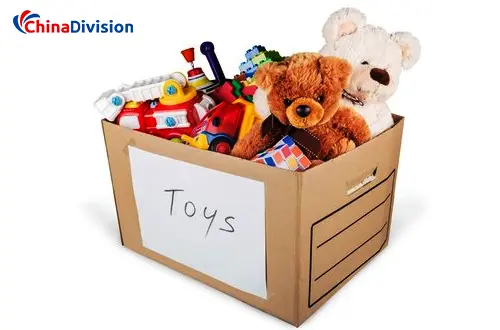
From the perspective of a professional third-party international logistics service provider, appropriate toy packaging is fundamental to safe and efficient cargo transport.
- Use Durable and Protective Materials
When shipping toys, always choose packaging based on the product's size, weight, and fragility:
Large Toys: Use high-strength corrugated cardboard boxes with sufficient load-bearing capacity.
Small toys: It is recommended to use padded envelopes or small cartons with internal cushioning.
Fragile toys: Wrap each toy individually with bubble wrap, foam, or tissue paper to prevent damage from impacts.
- Ensure environmental resilience
During international toy shipping, goods may encounter varying climates and handling conditions. Packaging should:
Be waterproof and moisture-proof
Provide light protection for sensitive materials
Resistant to temperature fluctuations
- Strengthen packaging integrity
Seal all cartons securely with industrial-grade packaging tape.
For bulk shipments, use corner protectors or pallets.
Avoid over-packing or under-packing to reduce internal movement.
- Supplier coordination
Professional logistics providers recommend working closely with suppliers to ensure toy packaging meets export standards before shipment, thereby minimizing rework and delays.
Key requirements for toy labeling
Toy labels are more than just simple address labels—they encompass safety information, regulatory compliance, and supply chain traceability. Accurate toy labeling is crucial for identification, compliance, and tracking during toy shipping.
- Basic Shipping Information
Each package must include:
Recipient's full name and address
Sender's return address
Contact details, if applicable.
- Tracking and Visibility
Affix a clearly visible, scannable tracking label to the outer packaging.
Ensure the label is durable, waterproof, and securely attached.
- Labeling
Affix “Fragile,” “Handle with Care,” or “This Side Up” labels as needed.
Use standardized international symbols for easy cross-border communication.
- Compliance Labeling
International toy shipping may require additional labeling:
Product description and customs code
Country of origin
Safety or certification marks (e.g., CE, ASTM, CPSIA, depending on the destination)
Correct labeling minimizes the risk of misdelivery, delays, and compliance issues during the global transport of toys.
How to Choose the Right Toy Shipping Method?
Choosing the right shipping method is crucial for balancing cost, speed, and safety in toy shipping.
Courier Service
Perfect for small, lightweight, or high-value items.
Detailed tracking and meticulous handling provided
Air Freight
Fast (usually a few days)
Reduced handling lowers the risk of damage.
Higher cost, suitable for urgent or seasonal toy shipments.
Sea Freight
Most cost-effective for bulk shipments.
Perfect for large toys (e.g., bicycles, game sets).
Longer transit time, requires advance planning.
Customs Clearance Management for Toy Shipments
Efficient customs clearance is a key component of successful international toy shipping.
- Understand Destination Regulations
Each country has different regulations for toy imports. Failure to comply may result in:
Delayed shipments
Additional inspections
Refusal of goods or fines
- Prepare Accurate Documentation
Ensure all documents are complete and consistent:
Commercial invoice
Packaging list
Certificate of origin (if required)
Detailed product description (materials, intended use, value)
- Customs and Tax Planning
Calculate import duties in advance.
Incorporate cost factors into pricing strategies.
Consult an experienced freight forwarder for an accurate quote.
Insurance Considerations for Toy Shipments
From a risk management perspective, purchasing cargo insurance is strongly recommended.
Why Insurance is Important:
Fragility: Toys often contain fragile parts or electronic components.
Value Differences: From low-priced items to high-end collectibles.
Theft Risk: Popular toys are common targets for theft.
Transportation Risk: Loss or damage may occur during handling or transportation.
Insurance protects your finances and ensures the continuity of the supply chain.
Managing Delays and Transportation Risks
Even with meticulous planning, challenges can arise during toy transportation. Here are ways to mitigate these challenges:
- Partner with a Reliable Logistics Provider
Experienced partners ensure proactive planning and rapid problem resolution.
- Real-time Cargo Tracking
Monitor the entire cargo transportation process to identify and resolve delays early.
- Maintain Clear Communication
Notify customers and the warehouse promptly of any delays.
Coordinate delivery schedules to avoid handover errors.
- Immediate Handling of Damage
Report issues quickly.
Initiate insurance claims immediately.
Maintain transparency with customers.
- Stay Aware of Regulatory Updates
Regularly review import and export policy updates to ensure compliance.
How can I ensure my toy packaging meets Amazon FBA requirements?
Amazon FBA requires the use of scannable barcodes (FNSKU), suffocation warnings on plastic bags with openings greater than 5 inches, and palletization must conform to Amazon's specifications (40-inch x 48-inch four-way entry pallet, maximum height 72 inches). Chinadivision's pre-processing services include FBA-compliant labeling, packaging quality verification, and ASN (Advance Shipping Notice) coordination to avoid hefty FBA rejection fees.
Why choose Chinadivision for toy shipping?
Chinadivision provides end-to-end solutions tailored specifically for toy shipping, helping e-commerce sellers and B2B companies streamline their global supply chains.
Our services include:
Professional toy packaging and compliant toy labeling
Multi-channel fulfillment and inventory management
Optimized shipping solutions (express, air, and sea freight)
Customs documentation and clearance support
Real-time tracking and responsive customer service
Chinadivision's comprehensive international toy shipping services include: factory pickup, professional toy packaging using ISTA-compliant materials, destination-specific toy labeling, customs documentation and agency services, multimodal transport (express/air/sea), destination customs clearance, and final delivery to Amazon FBA, retail fulfillment centers, or direct-to-consumer logistics centers.
Chinadivision has extensive experience in international toy shipping, ensuring your products enter the global market safely, efficiently, and economically. We ensure your toys arrive on time and compliantly.
Frequently Asked Questions
1. What is the best packaging method for international toy shipping?
Use sturdy cardboard boxes filled with cushioning materials such as bubble wrap or foam. Ensure the packaging is moisture-proof and suitable for long-distance transport.
2. What information is required for toy labeling?
Labels should include sender and recipient information, tracking numbers, and any necessary handling instructions. Compliance with destination regulations is also crucial.
3. Should I choose air or sea freight for toy shipping?
Air freight is faster and safer for fragile or urgent shipments; sea freight is more economical for large volumes and flexible shipping times.
4. Are there any special customs requirements for toys?
Yes. Many countries require safety certifications and detailed product declarations. Complete documentation is essential to avoid delays.
5. How can I reduce toy shipping delays?
Partner with an experienced logistics provider like Chinadivision to ensure accurate documentation and real-time tracking of your shipment.
6. Why should I choose a logistics partner like Chinadivision?
A professional supplier handles packaging, labeling, shipping, and customs clearance, reducing operational complexity and ensuring reliable international delivery.


About the Author: Limi

Limi is a content marketing expert at ChinaDivision, helping businesses and e-commerce sellers navigate the complexities of international shipping by providing actionable tips and comprehensive guides on logistics, shipping, and cargo transportation.