

How to Determine Amazon First-Mile Logistics Tracking Information?
For e-commerce sellers, stuck logistics tracking information is often a major source of operational anxiety. Is this a normal peak season delay, or has the inventory already run out? Misjudging this can lead to two costly extremes: either waiting until the inventory is sold out before reshipping, or reshipping prematurely, doubling logistics costs.
Table of Contents
- What is Amazon First-Mile Logistics?
- Key Components of Phase 1 Logistics
- How to Determine Tracking Delays in Amazon Phase 1 Logistics?
- What are some common solutions for Amazon's first leg of shipping?
- How to control Amazon First-Leg Logistics Costs?
- Frequently Asked Questions (FAQ)
- Why choose Chinadivision as your logistics partner?
To determine the tracking status of Amazon first-mile logistics, analyze three key factors: tracking nodes (where the goods are located), delay time (how long the goods remain inactive), and shipping method (express, air, or sea). Most delays are caused by port congestion or customs clearance issues, while prolonged inactivity (7-10 days without updates) may indicate a higher risk of lost goods.
What is Amazon First-Mile Logistics?
Amazon First-Mile Logistics (also known as FBA First Mile or First-Mile Logistics) refers to the initial shipment of goods from the supplier or origin warehouse to Amazon fulfillment centers. It is also a crucial bridge connecting your manufacturer and Amazon fulfillment centers.
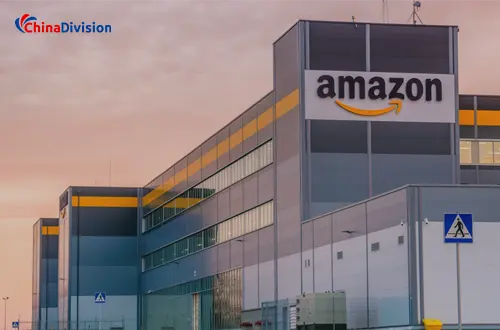
This phase typically includes international shipping, import/export customs clearance, and delivery to Amazon facilities, and is a key component of Amazon Logistics performance and inventory availability.
From a professional logistics service provider's perspective, efficient Amazon Phase 1 execution ensures stable inventory levels, reduces stockout risk, and supports faster last-mile delivery.
Key Components of Phase 1 Logistics
Shipping Methods: Express (DHL/UPS/FedEx) is suitable for urgent shipments; air freight for the first leg is suitable for balancing speed and cost; sea freight (LCL/FCL) is suitable for bulk shipments.
Customs and Compliance: Accurate documentation, duties, and Amazon-specific labels (e.g., FNSKU) to avoid rejection.
Amazon Logistics (FBA) Pre-Inbound Preparation: Sorting, labeling, palletizing, and carton compliance.
Strategic Route Planning: Optimizing delivery routes to Amazon warehouses to minimize delays and costs.
Chinadivision integrates these processes into a seamless fulfillment solution to reduce operational complexity for sellers.
How to Determine Tracking Delays in Amazon Phase 1 Logistics?
- Check Tracking Nodes (Stop Locations)
Origin Airport/Port/Transit Hub: "Normal delays" are usually caused by peak season congestion or limited capacity, often due to warehouse backlogs or ship space constraints (typically 3-7 days).
Destination Customs Clearance: If there are no tracking updates for goods at the destination port after 3 days, the goods may be under customs inspection or awaiting document review. This is a compliance issue, not a sign of lost goods.
No Progress After Pickup or Handover: The highest risk occurs when there are no further scan records for more than 7-10 days after "Overseas Warehouse Handover" or "In Transit". This usually indicates misdelivery or loss.
- Assess Delay Duration
Air Freight First Segment: No updates for any stage after 5 days is abnormal.
Sea Freight: Goods arriving at the port after 7 days without customs clearance or pickup indicate port congestion or inspection.
Amazon Last Mile Delivery: No delivery updates after 3 days may indicate an exception.
- Consider the Shipping Method
Express (Amazon Logistics Partner): Real-time tracking; no updates within 1-2 days may indicate a problem.
Air Freight: No updates within 3-5 days is normal. Any stage (handover → departure → customs clearance) without updates for more than 5 days is considered abnormal.
Sea Freight: Due to fewer scanning incidents, the expected interval will be longer. After berthing, if there is no "container picked up" or "customs cleared" status for more than 7 days, it indicates severe port congestion or strict inspection.
- Identify Abnormal Keywords
Normal Status: "Departed," "In Transit," "Arrived at Port."
Warning Signs: "Abnormal," "Delayed," "Returned," "Undeliverable."
High Risk: "Arrived at Destination" with no updates for an extended period.
- Utilize Freight Forwarder Investigations
The most reliable way to confirm the status of your goods is to make a formal inquiry. Reputable service providers can submit tracking documents directly to airlines or shipping companies. A response is usually received within 3-5 days, confirming whether the shipment was simply a scanning error or whether a claim process needs to be initiated. Generally, if no information is found after a 10-day investigation, a loss claim process will be initiated.
Professional service providers like Chinadivision can:
Initiate tracking efforts with airlines, shipping companies, and freight partners.
Confirm whether the delay was caused by congestion, scanning errors, or data loss.
Provide feedback within 3-5 days.
If no updates are found after 10 days, the shipment claim process can usually be initiated.
Practical Rules for Sellers:
Transportation Delays = Normal (related to capacity)
Customs Delays = Inspection (related to documents)
Final Delivery Delays = Higher Risk of Loss
Comparing shipments on the same route is also useful: if all shipments are delayed, it's a systemic problem; if only your shipment is delayed, it needs immediate attention.
What are some common solutions for Amazon's first leg of shipping?
International Express: The fastest option for small, urgent shipments.
Air Freight First Leg + Local Delivery: An ideal balance of speed and cost for growing e-commerce sellers.
Ocean Freight (FCL/LCL): Best suited for high-volume, cost-sensitive replenishment.
Professional logistics partners can recommend the optimal combination based on SKU turnover and inventory planning.
How to control Amazon First-Leg Logistics Costs?
Optimize Packaging: Reduce volumetric weight and improve carton efficiency.
Plan Shipments: Avoid underutilization of containers; adjust order quantities as necessary.
Choose the Best Route: Different carriers define port categories differently—choosing the right route can reduce costs.
Utilize Consolidation: Consolidate shipments to reduce unit costs for Amazon First-Leg shipping.
Frequently Asked Questions (FAQ)
1. What is Amazon First-Leg Logistics?
It refers to the first stage of goods transportation from the supplier to Amazon fulfillment centers, including international shipping, customs clearance, and delivery.
2. How long can Amazon First-Leg tracking remain inactive?
This depends on the shipping method: Express 1-2 days, Air Freight 3-5 days, Ocean Freight longer. If there are no updates for more than 7-10 days, it may indicate a problem.
3. Does a tracking delay mean the goods are lost?
Not necessarily. Most delays are caused by port congestion or customs inspections, not lost goods.
4. How to reduce the risk of Amazon's first-mile delivery?
Work with experienced suppliers like Chinadivision to ensure accurate documentation and choose reliable shipping channels.
5. What is the best shipping method for Amazon's first-mile shipment?
Express, suitable for urgent shipments
Air freight for the first leg, balancing speed and cost
Sea freight for bulk cargo
6. Can Chinadivision assist with Amazon's first-mile logistics?
Yes. Chinadivision provides end-to-end Amazon first-mile logistics solutions, including pickup, consolidation, customs clearance, FBA preparation, and final delivery—helping sellers reduce costs and improve delivery reliability.
7. What should I do if the tracking stops updating?
First, analyze the milestones and delay times, then contact your logistics provider for an investigation. Avoid premature reshipment to prevent unnecessary costs.
Why choose Chinadivision as your logistics partner?
Chinadivision offers:
End-to-end Amazon First-Stage Logistics Solutions
Integrated Warehousing and Logistics Services
Real-time Tracking and Proactive Problem Solving
Cost-Optimized Shipping Strategies
For B2B sellers and e-commerce brands, partnering with experienced suppliers ensures faster, lower-cost, and less risky delivery throughout the Amazon supply chain.


About the Author: Limi

Limi is a content marketing expert at ChinaDivision, helping businesses and e-commerce sellers navigate the complexities of international shipping by providing actionable tips and comprehensive guides on logistics, shipping, and cargo transportation.