

What are the impacts of ISPS on importers and exporters?
The International Ship and Port Facility Security Code (ISPS Code) directly impacts importers and exporters by increasing security compliance requirements, raising ISPS fees and transport costs, and affecting cargo handling, transport times, and document accuracy. While it enhances global supply chain security, it also requires companies to plan for higher operating costs and engage in more rigorous coordination with logistics partners.
Table of Contents
- Understanding ISPS in the Shipping Industry
- How does ISPS affect importers and exporters?
- Detailed Explanation of ISPS Fees and Transportation Costs
- ISPS Security Level Practices
- Operational Requirements under ISPS
- When Does ISPS Apply?
- How Can Importers and Exporters Maintain Compliance?
- Frequently Asked Questions (FAQ)
Understanding ISPS in the Shipping Industry
The International Ship and Port Facility Security Code (ISPS Code) is a mandatory global security framework introduced by the International Maritime Organization in 2004. Its purpose is to ensure the safety of ships, port facilities, and cargo involved in ISPS shipping by regulating the identification, management, and mitigation of security risks.
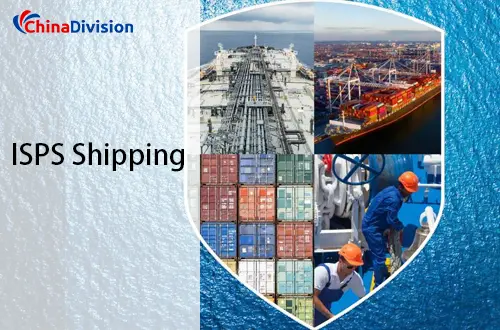
For importers and exporters, ISPS shipping is not an option—ISPS rules in the shipping industry are more than just a regulatory requirement; they directly impact how goods are recorded, handled, inspected, and priced throughout the global supply chain.
How does ISPS affect importers and exporters?
While direct compliance with ISPS rules primarily rests with carriers and port facilities, importers and exporters must provide accurate cargo documentation and comply with security protocols. From a professional logistics fulfillment perspective, ISPS introduces several operational and cost-related impacts:
Higher compliance requirements: Accurate cargo declarations, verified documentation, and secure packaging are crucial for meeting ISPS standards.
Additional ISPS fees: Security-related surcharges are charged throughout the transport process.
Extended processing times: Enhanced inspections, access controls, and monitoring may slightly extend port processing times.
Higher coordination requirements: Close collaboration with freight forwarders and logistics providers is essential for ensuring smooth customs clearance and port operations.
For e-commerce sellers and B2B importers, partnering with experienced logistics providers like Chinadivision can streamline compliance processes without increasing internal workload.
Detailed Explanation of ISPS Fees and Transportation Costs
ISPS fees refer to the costs associated with implementing mandatory security measures throughout the maritime supply chain. While carriers, terminals, and shipping companies pay these fees directly, they typically pass these costs on to the customer as part of the overall freight quote. ISPS fees are unavoidable costs associated with implementing port and vessel security measures. These fees are usually included in the overall freight quote and ultimately borne by the shipper.
Common ISPS-related fees include:
Carrier Security Fee (CSF): Charged by the ocean carrier as part of the ISPS transportation cost.
Terminal Security Fee (TSC): Charged by the port terminal to cover facility-level security costs.
Both fees appear as separate items on the freight invoice and are included in the total ISPS transportation cost.
Factors influencing ISPS transport costs include:
Vessel size: Larger vessels require more comprehensive security resources, which can increase ISPS costs.
Port infrastructure: Advanced security facilities can reduce costs compared to ports requiring significant compliance upgrades.
Geographic risk assessment: Routes through high-risk areas trigger stricter security protocols and associated costs.
Compliance initiative: Companies investing in robust documentation and security partnerships can typically avoid increased costs due to fines.
Route selection: ISPS transport through sensitive routes may incur additional security surcharges.
ISPS transport costs can be optimized by selecting established trade routes with lower security risk levels, maintaining complete documentation to avoid inspection delays, consolidating cargo to reduce per-item security costs, and partnering with logistics providers who have established relationships with compliant carriers and terminals. Specialized logistics providers can help optimize route planning and documentation, thereby reducing unnecessary ISPS-related costs.
ISPS Security Level Practices
All vessels, port facilities, and shipping companies subject to the International Ship and Port Facility Security Code (ISPS Code) must develop comprehensive security plans. These customized plans must be tailored to the specific operational characteristics of each entity and include specific security threat mitigation measures. For importers and exporters, this means your cargo will be transported through a standardized security network designed to protect it from origin to destination. The International Ship and Port Facility Security Code (ISPS Code) defines three security levels that directly impact ship operations:
Level 1 (Normal): Standard security procedures for routine operations.
Level 2 (Enhanced): Additional inspections and controls are required due to increased risk.
Level 3 (Critical): Strict security measures are implemented to address imminent threats.
Understanding these levels helps businesses predict potential delays and cost fluctuations in their ISPS transport operations. Higher levels may lead to increased inspections, delays, and higher ISPS transport costs.
Operational Requirements under ISPS
The ISPS Code requires structured security management from all stakeholders:
Ship Security Plan (SSP): Mandatory for vessels over 500 gross tonnage, including surveillance, access control, and emergency response.
Port Facility Security Plan (PFSP): Manages cargo inspections, terminal access, and coordination with vessels.
Security Roles:
Ship Security Officer (SSO): Oversees the implementation of ship security measures.
Company Security Officer (CSO): Coordinates overall fleet security policies.
Port Facility Security Officer (PFSO): Manages port security operations.
These professionals ensure that security strategies are aligned across the entire supply chain, directly impacting the efficiency of your cargo transport at international ports.
In practice, this means more rigorous cargo inspections, seal verification, identity checks, and continuous monitoring throughout the logistics chain.
When Does ISPS Apply?
The International Ship and Port Facility Security Code (ISPS Code) applies to:
Cargo ships with a gross tonnage exceeding 500 tons
Passenger ships
Offshore drilling rigs
Port facilities serving international vessels
For most importers and exporters engaged in maritime transport, compliance with the ISPS Code is a standard component of international shipping operations.
How Can Importers and Exporters Maintain Compliance?
While logistics providers handle most compliance requirements, businesses can support smooth ISPS transport by:
Providing accurate and complete cargo data.
Ensuring cargo labels are correct and properly sealed.
Budgeting ISPS costs in advance. Partner with experienced international logistics service providers.
Chinadivision integrates ISPS compliance into its end-to-end order fulfillment process, helping clients reduce risk, avoid delays, and maintain predictable shipping schedules.
Frequently Asked Questions (FAQ)
1. What is the ISPS code in shipping?
The International Ship and Port Facility Security Code (ISPS Code) is a global security standard for the shipping industry that regulates how ships and ports manage security risks to ensure the safe transport of international cargo.
2. Who pays ISPS fees?
ISPS fees are usually included in the freight and are paid by the cargo owner (importer or exporter), even if these fees are collected by the carrier or terminal.
3. Why do ISPS shipping costs differ between ports?
Differences in infrastructure, regional security risks, and operational efficiency lead to differences in ISPS shipping costs.
4. Does ISPS affect delivery time?
Yes. The ISPS Code requires security checks, including document verification, seal checks, and restricted access agreements. These measures may extend processing times compared to before ISPS implementation.
5. How can e-commerce sellers reduce ISPS-related delays?
By partnering with professional logistics providers like Chinadivision, ensure accurate documentation, and utilize optimized shipping routes.
6. Do I need to manage ISPS compliance myself?
No. Qualified freight forwarders or logistics service providers will handle compliance matters, but you must provide accurate shipping information.
7. What happens if ISPS requirements are not met?
Non-compliance can result in fines, cargo delays, vessel detention, and even cargo rejection.
How does Chinadivision help businesses manage ISPS compliance?
As a professional international order fulfillment service provider, Chinadivision handles the complex processes of ISPS shipping on behalf of B2B clients and e-commerce sellers, allowing you to focus on core business growth while ensuring compliant and cost-effective cargo transportation.
Ready to optimize your international shipping operations while ensuring full ISPS compliance? Contact Chinadivision today to learn how we streamline the ISPS shipping process for global B2B businesses and e-commerce sellers through our professional logistics services. We handle complex security issues, allowing you to focus on expanding your global business.


About the Author: Limi

Limi is a content marketing expert at ChinaDivision, helping businesses and e-commerce sellers navigate the complexities of international shipping by providing actionable tips and comprehensive guides on logistics, shipping, and cargo transportation.