

Should You Arrange Pre-Shipment Inspection for Goods?
Most B2B exporters and cross-border sellers focus on shipping costs and delivery timelines but overlook the critical quality control step:pre-shipment inspection (PSI). Many businesses question whether PSI inspection is worth the time and budget, especially for bulk repeat orders or low-value goods.
Table of Contents
- What Is Pre-Shipment Inspection (PSI)?
- Why Arrange Pre-Shipment Inspection?
- Pre-Shipment Inspection vs. In-House Check: Key Difference Comparison
- When Must You Arrange Pre-Shipment Inspection?
- Standard Pre-Shipment Inspection Process (10 Core Stages)
- Key Inspection Items Covered in PSI Cargo Inspection
- Common PSI Inspection Mistakes & Avoidance Strategies
- What If Goods Fail Pre-Shipment Inspection?
- PSI Inspection Cost & Charging Standard
- Industry Trends: Digital Pre-Shipment Inspection
- Optimize Your PSI & Fulfillment Workflow With Chinadivision
- Frequently Asked Questions (PSI & International Logistics)
From the perspective of a professional international order fulfillment and warehousing logistics service provider, we’ve witnessed countless loss cases caused by skipping cargo inspection: batch defective products, quantity shortages, non-compliant packaging, customs clearance failures, and costly overseas returns and rework fees.
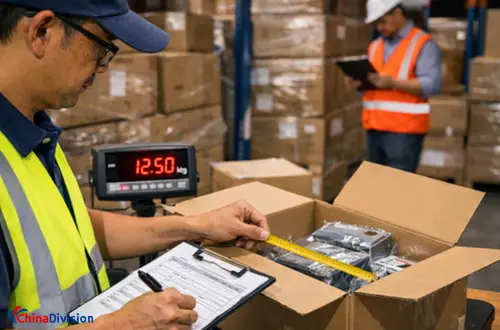
Product inspection before shipment is not a redundant process—it is the most cost-effective risk barrier in cross-border supply chains. This article will systematically answer whether you need to arrange pre-shipment inspection for your goods, clarify its core value, operational standards, applicable scenarios, and common pitfalls, helping you make scientific quality control decisions.
What Is Pre-Shipment Inspection (PSI)?
Pre-shipment inspection (PSI) is a standardized, systematic product inspection and cargo inspection procedure in international trade. It is conducted when goods reach 80%–100% production completion, covering full verification of product quality, quantity, specifications, packaging, and regulatory compliance.
Different from random factory spot checks, formal PSI inspection adopts international statistical sampling standards (AQL) to ensure inspection objectivity and comprehensiveness. The final official inspection report can serve as the basis for shipment approval, payment confirmation, and supplier dispute resolution.
Simply put, pre-shipment inspection is the final quality gate before goods leave the factory and enter global logistics, avoiding unqualified products flowing into cross-border warehousing, transportation, and terminal sales links.
Why Arrange Pre-Shipment Inspection?
Many enterprises cancel PSI inspection to save short-term costs, resulting in multiplied hidden losses in subsequent fulfillment links. The core value of pre-shipment inspection covers quality assurance, risk avoidance, cost control, and brand protection.
1. Strict Quality Assurance to Avoid Defective Shipments
PSI inspection covers visual workmanship, product specifications, functional safety, and overall quality consistency. It effectively screens out defective products, damaged goods, and substandard batches, ensuring shipped products fully match purchase order requirements and eliminating mass after-sales complaints.
2. Accurate Quantity Verification to Prevent Order Disputes
Cargo inspection confirms the actual shipment quantity, packaging quantity, and batch information, solving common pain points such as supplier short shipment, mixed shipment, and quantity inconsistency, and avoiding inventory discrepancies in overseas warehousing.
3. Global Regulatory Compliance to Ensure Smooth Customs Clearance
Different countries and regions have strict import standards such as CE, RoHS, UL, and FDA. Pre-shipment inspection verifies product certification, labeling, and packaging compliance in advance, preventing customs detention, fines, and shipment returns caused by non-compliance.
4. Reduce Supply Chain Risks and Cut Hidden Logistics Costs
Overseas returns, rework, secondary transportation, and demurrage fees caused by unqualified products are far higher than PSI inspection costs. Pre-shipment inspection intercepts risks at the source, stabilizing global order fulfillment efficiency.
5. Build Trust Between Buyers and Suppliers
A standardized third-party PSI report serves as objective trade evidence, eliminating subjective quality disputes, standardizing cooperation standards, and laying a foundation for long-term stable supplier cooperation.
Pre-Shipment Inspection vs. In-House Check: Key Difference Comparison
To help you clearly judge whether to arrange professional PSI inspection, we sorted out the core differences between formal pre-shipment inspection and ordinary in-house inspection:
| Inspection Dimension | Professional Pre-Shipment Inspection (PSI) | Ordinary In-House Inspection |
|---|---|---|
| Product Quality | International AQL/ISO unified standard | Self-defined loose standard, inconsistent criteria |
| Objectivity | Third-party independent inspection, zero bias | Easy to be affected by production progress, subjective judgment |
| Report Validity | Trade & customs recognizable official report | Internal reference only, no external credibility |
| Risk Coverage | Quality, quantity, compliance, packaging full coverage | Only simple visual check, missing compliance risks |
| Applicable Scenarios | Formal cross-border trade, large batch orders, high-value goods | Small trial orders, low-risk daily shipments |
When Must You Arrange Pre-Shipment Inspection?
PSI inspection is not required for all shipments, but it is a must for the following high-risk scenarios to avoid huge losses:
- High-value goods: Electronic products, mechanical equipment, medical supplies, and customized industrial products
- Regulatory-sensitive products: Goods requiring CE, RoHS, UL, and other certifications for European and American markets
- Large-batch bulk orders: Mass production shipments with high defect risk and large loss impact
- New supplier cooperation: Unfamiliar factories with unstable quality control systems
- Government-mandated scenarios: Goods exported to Kenya, Saudi Arabia and other regions with compulsory PSI policies
For low-value, standardized, and stable-quality daily consumer goods, you can appropriately simplify inspection links but still retain basic cargo inspection procedures.
Standard Pre-Shipment Inspection Process (10 Core Stages)
Professional PSI inspection follows standardized processes to ensure no missing inspection items and accurate results:
- On-site confirmation: Inspectors arrive at the factory to confirm production completion rate (80%–100%)
- Quantity verification: Cross-check shipment quantity with purchase order and packing list
- Random sampling: Select samples strictly per ANSI/ASQC Z1.4 (ISO 2859-1) AQL standard
- Visual inspection: Check appearance, color, scratches, and surface defects
- Specification verification: Confirm product size, material, and process meet order requirements
- Workmanship inspection: Assess assembly precision, stitching, and overall craftsmanship
- Functional & safety testing: Conduct electrical, mechanical, and safety tests per industry standards
- Packaging & labeling inspection: Verify outer packaging firmness, mark accuracy, and shipping compliance
- Document review: Check invoices, certificates, and customs declaration documents
- Final report issuance: Sort out inspection results, mark defects, and give shipment approval suggestions
Key Inspection Items Covered in PSI Cargo Inspection

A complete pre-shipment inspection covers four core dimensions, fully covering all risks in cross-border logistics:
1. Workmanship & Appearance Quality
Inspect surface defects, assembly gaps, material inconsistencies, and process flaws to ensure product appearance meets market sales standards.
2. Functional & Safety Performance
Targeted tests for electronic safety, mechanical stability, and load-bearing performance to eliminate potential safety hazards and avoid market recalls.
3. Product Specification Consistency
Verify product size, weight, accessories, and customized parameters to prevent wrong goods delivery.
4. Packaging & Regulatory Compliance
Check carton firmness, shockproof measures, label information, and international certification compliance to ensure smooth transportation and customs clearance.
Common PSI Inspection Mistakes & Avoidance Strategies
Many enterprises fail to achieve risk control even after arranging pre-shipment inspection, mostly due to operational errors:
- Insufficient inspection time: Rushing inspection leads to missed minor defects. Solution: Reserve 1–3 working days for inspection and rework before shipment.
- Unclear inspection standards: No detailed specifications provided to inspectors. Solution: Sort out product standards, certification requirements, and defect judgment rules in advance.
- Improper inspection timing: Inspecting too early with unfinished production. Solution: Arrange PSI after 80%+ production completion and full packaging.
- Unprofessional inspectors: In-house teams lack international standard experience. Solution: Cooperate with professional third-party inspection institutions or formal fulfillment service providers.
What If Goods Fail Pre-Shipment Inspection?
After PSI inspection, unqualified batches will have targeted solutions to minimize losses:
- Minor defects: Arrange factory rework and secondary re-inspection before shipment
- Partial unqualified: Replace defective units separately and retain qualified products for shipment
- Severe batch defects: Negotiate order cancellation or price adjustment with suppliers to avoid forced shipment losses
Timely disposal of failed inspection goods can effectively prevent problematic products from entering overseas warehousing and logistics links, saving high return and logistics costs.
PSI Inspection Cost & Charging Standard
Pre-shipment inspection fees are affected by product type, inspection difficulty, batch quantity, and factory location. The industry mainstream quotation range is clear:
- Ordinary consumer goods: $300–$500 per inspection session
- Complex electronic/mechanical products: $500–$800 per inspection session
Compared with thousands of dollars in overseas return fees and order loss losses, PSI inspection cost is a low-input, high-return supply chain investment. In most trade scenarios, the buyer bears the inspection fee, which can be negotiated and adjusted in the contract.
Industry Trends: Digital Pre-Shipment Inspection
With the upgrading of global logistics, traditional manual PSI inspection is evolving towards digital intelligence. Modern pre-shipment inspection supports real-time on-site data collection, remote video inspection, intelligent defect identification, and QMS system data synchronization. The electronic inspection report is traceable and verifiable, further improving the accuracy and efficiency of cargo inspection and product inspection.
Optimize Your PSI & Fulfillment Workflow With Chinadivision
Most B2B sellers lack standardized pre-shipment inspection processes and professional judgment standards, leading to repeated quality problems and unstable fulfillment efficiency. As a professional international order fulfillment and warehousing logistics service provider, Chinadivision integrates PSI quality control, overseas warehousing, and global shipping services to solve your cross-border quality and logistics pain points in one stop.
- Standardized PSI inspection docking: Cooperate with certified third-party inspection teams, strictly implement AQL international standards, and provide official credible inspection reports
- Full-link quality control: Realize pre-shipment inspection, warehousing incoming inspection, and shipment secondary verification to form dual quality barriers
- Customized inspection solutions: Formulate targeted pre-shipment inspection standards according to product attributes and target market compliance requirements
- Integrated warehousing & shipping: After qualified PSI inspection, directly enter global overseas warehouses for storage, sorting, and distribution, simplifying the supply chain process
- Transparent service & cost control: All inspection and logistics fees are clearly listed, no hidden charges, effectively reducing overall supply chain costs
Choose Chinadivision’s professional international order fulfillment and warehousing logistics services to realize standardized product inspection, safe goods storage, and efficient global shipping, and stabilize your cross-border business reputation and profit margins.
Frequently Asked Questions (PSI & International Logistics)
1. Is pre-shipment inspection mandatory for all cross-border shipments?
No. PSI inspection is compulsory only for specific countries and regulated products. For most ordinary cross-border trades, it is a voluntary risk-control measure, but it is highly recommended for high-value and large-batch orders to avoid quality losses.
2. What is the difference between pre-shipment inspection and ordinary cargo inspection?
Pre-shipment inspection is a standardized, full-process quality compliance inspection based on international AQL standards with official report validity. Ordinary cargo inspection only covers simple quantity and appearance checks, lacking compliance and functional testing, with no trade evidentiary effect.
3. Can I do pre-shipment inspection with an in-house team?
Yes, but in-house inspection lacks objectivity and unified international standards, and its reports are not recognized by customs and overseas buyers. For formal cross-border trade and high-standard orders, third-party professional PSI inspection is more reliable.
4. How long does a complete PSI inspection take?
On-site inspection takes 1 working day in general, and the official electronic report can be issued within 24 hours after the inspection is completed, which will not delay the normal shipment schedule with reasonable scheduling.
5. Can PSI inspection avoid customs clearance risks?
Yes. Professional pre-shipment inspection covers target market certification, labeling, and packaging compliance verification, which can effectively avoid customs detention, fines, and return risks caused by non-compliant goods.


About the Author: Limi

Limi is a content marketing expert at ChinaDivision, helping businesses and e-commerce sellers navigate the complexities of international shipping by providing actionable tips and comprehensive guides on logistics, shipping, and cargo transportation.