

Packaging Carbon Reduction and Lower Additional Taxes
In the era of carbon tariffs and new tax regulations, reducing carbon emissions in packaging and choosing lowcarbon transportation channels are the most effective ways for ecommerce businesses to lower additional taxes and fees. By optimizing your supply chain through decarbonized packaging, precise carbon footprint declaration, and strategic overseas warehousing, your company can reduce carbon surcharges by 30%60%, comply with international regulations, and maintain profitability.
Table of Contents
Understanding the Impact of Carbon Tariffs and Additional Taxes
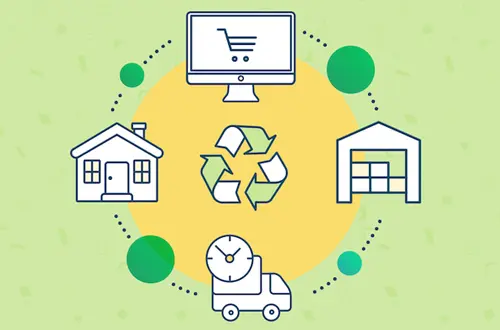
Starting January 1, 2026, the EU’s Carbon Border Adjustment Mechanism (CBAM) applies not only to steel, aluminum, cement, and fertilizers but extends to consumer goods like home appliances, electronics (3C products), auto parts, and textiles. Simultaneously, the EU eliminates the tax exemption for parcels under €150, and the US removes the lowvalue parcel exemption under $800.
For crossborder ecommerce, this marks the era of dual charges: “carbon tax + customs tariff.” Without proper planning, businesses face significant increases in logistics costs.
At Chinadivision, we help ecommerce sellers and B2B clients proactively manage these costs through lowcarbon transport, packaging carbon reduction, and accurate carbon declaration, ensuring compliance and minimizing additional fees.
1. Prioritize LowCarbon Transportation Channels
Why it matters: Carbon tariffs are calculated based on the entire supply chain’s carbon footprint. Air freight emissions are 1215x higher than sea transport, meaning your choice of transport route directly impacts your carbon taxes.
Recommended Routes:
HighCarbon Routes: Direct express services (DHL, UPS) – suitable only for highvalue, urgent orders (≥USD 150). Limit to ≤20% of total shipments.
MediumtoLowCarbon Routes: Combinations of air charters, ChinaEurope freight trains, ocean express, and lastmile delivery – reduce carbon taxes by 30%50%, ideal for midvalue orders (USD 30–150).
LowCarbon Economic Channels: Postal parcels and dedicated sea/rail freight – minimal carbon emissions and taxes, ideal for small, lowvalue items (≤USD 30), accounting for 10%20% of shipments.
Pro Tip: Partner with airlines certified by IATA for environmental standards or using sustainable aviation fuel (SAF) to reduce your carbon footprint by 20%35%. Chinadivision provides integrated carboncompliant freight forwarding, including footprint calculations and reporting.
2. Packaging Carbon Reduction to Lower Carbon Taxes
Packaging contributes 15%25% of crossborder logistics emissions. With the EU’s PPWR packaging regulations, noncompliant packaging incurs extra taxes (€120/ton for plastics).
Effective Strategies:
Decarbonized Materials: Replace nondegradable plastics with recycled paper, biodegradable materials, or honeycomb cardboard. Materials with ≥30% recycled content may qualify for EU carbon tax exemptions.
Lightweight Optimization: Reducing package weight by 10% can cut emissions by 8%12%. Vacuumcompress bulky goods to reduce volume by 50%, achieving dual reductions in carbon tax and freight costs.
Recycling and Reuse: Reusable express boxes cut carbon footprints by over 60%, with some countries offering 5%10% carbon tax incentives.
Chinadivision offers expert packaging solutions tailored for lowcarbon compliance while optimizing logistics costs.
3. Accurate Carbon Declaration to Avoid Overpayment
Incorrect carbon tariff declarations can result in double taxation and penalties.
Best Practices:
Accurate Product Classification: Use HS 6digit codes to distinguish highcarbon products (metal parts, appliances) from lowcarbon products (clothing, jewelry).
Carbon Footprint Certificates (PFC): Obtain thirdparty PFCs to demonstrate lowcarbon production; combine with freight forwarder reports to offset 10%20% of carbon taxes.
Leverage Exemptions: During the EU CBAM transition period (20262028), SMEs with lowvalue goods (≤200 Euros) can apply for partial exemptions. Registering for Extended Producer Responsibility (EPR) further reduces environmental taxes.
4. Strategic Shipping and Inventory Management
Weight Splitting: Ship single parcels ≤2.5kg to avoid overweight carbon tax surcharges.
Overseas Warehousing: Preposition goods in overseas warehouses using bulk sea freight to cut transportation carbon taxes by 70%80% and improve delivery times by 50%.
Regional Differentiation: Deploy lowcarbon dedicated lines for core EU markets and mix trucking and sea freight for peripheral regions to optimize tax liabilities.
By implementing these strategies, businesses can maintain carbon surcharges within 5% of logistics costs, fully complying with new regulations while safeguarding profits.
Why Choose Chinadivision for Low-Carbon Fulfillment?
Chinadivision specializes in international order fulfillment, offering:
Multichannel lowcarbon shipping solutions
Advanced packaging carbon reduction strategies
Accurate carbon footprint reporting and regulatory compliance
Overseas warehouse distribution for optimized cost and delivery
Our services help B2B ecommerce businesses reduce carbon taxes, minimize additional fees, and accelerate delivery, turning compliance into a competitive advantage.
Frequently Asked Questions (FAQs)
Q1: How much can carbon taxes be reduced by using lowcarbon shipping routes?
A: By using mediumtolowcarbon dedicated routes, carbon surcharges can be reduced by 30%50%, and emissions cut by 40%60%.
Q2: Can packaging choices significantly affect carbon taxes?
A: Yes. Lightweight, recyclable, or reusable packaging can reduce carbon emissions by up to 60% and may lower plasticrelated taxes.
Q3: How can Chinadivision help me reduce carbon taxes?
A: Chinadivision offers low-carbon transportation channels, carbon-reducing packaging solutions, and accurate carbon footprint declaration services, helping you reduce carbon taxes by up to 60%.
Q4: Can Chinadivision help me optimize my packaging for carbon reduction?
A: Absolutely! We offer decarbonized materials, lightweight optimization, and recycling and reuse solutions to minimize your packaging's carbon footprint.
Q5: Which products should I prioritize for lowcarbon shipping?
A: Lowvalue items and nonurgent goods should use postal or ocean/rail shipping, while highvalue, urgent products may use air express with SAFcertified carriers for compliance.
Low-carbon packaging is not a cost center—it is a tax optimization strategy. By aligning material selection, structural design, transport channeling, and declaration accuracy, B2B sellers can constrain carbon surcharges to <5% of total logistics cost while maintaining full regulatory compliance.
ChinaDivision provides end-to-end order fulfillment infrastructure—warehousing, pick-and-pack, low-carbon freight procurement, carbon documentation, and customs compliance—enabling e-commerce brands to convert sustainability mandates into margin protection.
By strategically combining lowcarbon transportation, sustainable packaging, and accurate carbon declaration, your business can navigate the new carbon tariff era efficiently. Chinadivision ensures compliance, reduces costs, and streamlines international order fulfillment, making it the ideal partner for global ecommerce operations.


About the Author: Limi

Limi is a content marketing expert at ChinaDivision, helping businesses and e-commerce sellers navigate the complexities of international shipping by providing actionable tips and comprehensive guides on logistics, shipping, and cargo transportation.