

The Strait of Hormuz Reopens: How to Ensure Order Fulfillment
The reopening of the Strait of Hormuz creates a brief but crucial window for businesses to stabilize cross-border logistics, accelerate order fulfillment, and reduce logistics costs. To ensure order fulfillment during the Strait of Hormuz's reopening, businesses must immediately prioritize clearing backlogs of inventory, locking in current lower freight rates, and diversifying shipping routes to fully capitalize on the two-week safe navigation window before potential geopolitical shifts.
Table of Contents
On April 8, 2026, the US and Iran suddenly announced a ceasefire, providing a crucial two-week safe navigation window through the Strait of Hormuz. As a professional international order fulfillment service provider, Chinadivision recognizes this as more than just news; it represents a high-risk strategic opportunity for cross-border e-commerce sellers and B2B traders to stabilize their supply chains.
Why is this window crucial?
The Strait of Hormuz is the lifeline of global trade, carrying over 30% of maritime oil shipments and serving as a key hub connecting cross-border shipping between Asia, Europe, and the Middle East. Recent conflicts have caused a sharp decline in logistics efficiency, with delivery times on platforms like Amazon and Temu extending to around 45 days.
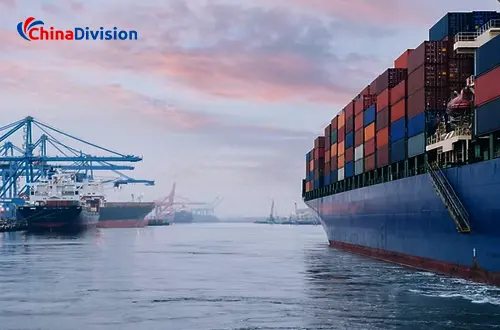
The past month of conflict has severely disrupted cross-border logistics:
Shipping routes have been diverted or suspended.
Logistics timeliness has become unpredictable.
Freight and insurance costs have soared.
Sellers are facing inventory backlogs and order fulfillment delays.
Now, reopening offers a rare opportunity to restore supply chain efficiency—but this is only temporary and requires strategic execution.
With reopening, we are immediately seeing changes:
Restoration of ocean freight capacity: Carriers are resuming standard routes, reducing the need for "covert channels" and AIS-ineffective voyages.
Faster cargo delivery: Backlogged containers are finally moving, accelerating last-mile delivery.
Stabilizing logistics costs: The surge in war risk premiums and fuel surcharges has begun to cool, providing a rare opportunity to reduce logistics costs.
Strategic Actions: Maximize the 14-Day Buffer Period
As your logistics partner, Chinadivision recommends that you take the following three immediate steps to secure your orders:
Review and Clear Backlogged Goods: If your goods are stuck in the "Dynamic Control" phase, now is the time to urge your freight forwarder to prioritize clearance. Expediting clearance can prevent them from becoming congested again should the Islamabad negotiations break down.
Lock in Spot Rates: Use this time to lock in cross-border logistics contracts at current rates. Although the SCFI index rose by 40% during the conflict, this temporary reopening presents an opportunity for exchange rates to fall, and savvy sellers should lock in this price immediately.
Optimize Your Warehousing Strategy: Don't ship all at once. Use a third-party logistics provider like Chinadivision to manage inventory flow and ensure you have sufficient inventory in overseas warehouses to cope with a possible re-closure of the Strait.
Hedge Against Uncertainty
The core differences between the US and Iran remain. The ceasefire agreement is only a "buffer," not a permanent solution. Professional logistics services require "alternative solutions." At Chinadivision, we help sellers seamlessly connect between sea freight and alternative rail or air routes. By expanding your logistics entry points, we ensure your delivery times remain competitive even if the Strait of Hormuz closes again.
What does the reopening of the Strait of Hormuz mean for your order fulfillment?
From a professional logistics service provider's perspective, reopening impacts three core areas:
- Faster Logistics and Delivery Recovery
With the reopening of the waterway, ship congestion has eased, and route planning is gradually returning to normal. This directly improves logistics timeliness, especially for Middle East and Asia-Europe routes.
For e-commerce sellers, this means:
Shorter delivery cycles
Reduced port backlog
Faster last-mile delivery
For example, goods that previously took 35-45 days to arrive due to rerouting may now arrive closer to standard delivery times, thus improving customer satisfaction and platform rankings.
- Reduce Logistics Costs Across the Supply Chain
The conflict led to a significant increase in cross-border ocean freight costs, including:
Freight rates increased by up to 40%
War risk insurance premiums increased by 300%
Additional fuel and warehousing costs
With shipping routes reopening:
Ocean freight prices are stabilizing
Insurance costs are decreasing
Detour-related costs have been eliminated
This creates an ideal opportunity for companies focused on reducing logistics costs to renegotiate prices and improve profit margins.
- Stable Supply Chains and Lower Fulfillment Risks
Previously, the suspension of services by major carriers led to inventory shortages and shipping delays. Now, with the restoration of logistics networks:
Airlines have resumed normal flight schedules
Warehousing and transportation have regained predictability
Order fulfillment has become more reliable
This is especially important for sellers who rely on stable inventory turnover and market performance metrics.
How to accelerate order fulfillment in the next two weeks?
This is not just an opportunity, but a race against time. How should businesses respond?
- Prioritize customs clearance and inventory movement
Expedite the transport of delayed goods already in transit.
Book Cross-Border Ocean Freight Capacity Now
Focus on high-demand SKUs to expedite order fulfillment
Partnering with experienced logistics providers like Chinadivision ensures faster coordination between warehousing, transportation, and customs clearance.
- Lock in Lower Logistics Costs
Negotiate short-term contracts with freight suppliers
Lock in current lower ocean freight rates
Adjust pricing strategies to reflect cost reductions
Professional logistics partners can help consolidate cargo transportation and optimize routes, further reducing logistics costs.
- Diversify Logistics Strategies to Reduce Risk
The ceasefire is only temporary; uncertainty remains. Businesses should:
Avoid relying on a single shipping route
Prepare alternative routes (e.g., Africa or the Red Sea corridor)
Maintain flexible inventory planning
Reliable third-party logistics providers can dynamically adjust logistics strategies based on geopolitical developments.
Why choose to partner with Chinadivision for order fulfillment?
In a volatile global environment, execution is more crucial than ever. Chinadivision helps businesses cope with uncertainty by:
Integrated cross-border logistics solutions (warehousing, picking, packing, shipping)
Optimized cross-border ocean freight and multi-channel transportation solutions
Real-time tracking and proactive logistics management
Cost-effective solutions designed to reduce logistics costs
Scalable logistics systems to support rapidly growing e-commerce brands
Chinadivision combines operational expertise with a global logistics network, enabling businesses to maintain stable order fulfillment even during disruptions.
Frequently Asked Questions for B2B and E-commerce Sellers
Is cross-border ocean freight still reliable in a geopolitically unstable environment?
Yes, but reliability depends on route planning and logistics partners. Experienced suppliers can quickly switch routes to minimize disruptions.
How can I reduce logistics costs without sacrificing delivery speed?
Utilize consolidated shipping, optimize packaging, and work with logistics partners who can negotiate bulk rates and offer multi-channel transportation options.
How will the reopening of the Straits affect my current shipping quotes?
You should see a gradual reduction in the "war risk surcharge" and "emergency fuel surcharge." We recommend that you request the latest quotes for all cross-border ocean freight immediately to take advantage of these offers.
Should I switch from air freight to sea freight now?
If air freight costs of $40 per kilogram during the conflict have already squeezed your profit margins, then switching to sea freight during this period is a wise move to reduce logistics costs. However, for safety reasons, it is recommended that you reserve some high-priority cargo for faster shipping routes.
What help can third-party logistics companies like Chinadivision offer if the strait closes again?
Chinadivision offers flexible cross-border logistics solutions. We can reroute your goods via the Cape of Good Hope or utilize the China-Europe Railway Express. Our integrated warehousing services also allow you to supply inventory to the market in batches, avoiding stockouts due to transportation delays.
How can I reduce logistics costs without sacrificing delivery speed?
Utilize consolidated shipping, optimize packaging, and partner with logistics companies that can negotiate bulk shipping rates and offer multi-channel shipping options.
If you want to speed up order fulfillment, reduce logistics costs, and ensure reliable cross-border logistics, now is the perfect time to partner with trusted experts like Chinadivision to turn this short window of opportunity into long-term growth.


About the Author: Limi

Limi is a content marketing expert at ChinaDivision, helping businesses and e-commerce sellers navigate the complexities of international shipping by providing actionable tips and comprehensive guides on logistics, shipping, and cargo transportation.