

What does air freight insurance cover and how does one claim?
Air freight is the preferred mode of transporting high-value, time-sensitive goods. However, while fast, air freight is not without risk. From damage caused by turbulence to ground handling errors, significant financial losses can occur.
Table of Contents
- What is air freight insurance? Why do you need it?
- What does air freight insurance cover?
- Common Exclusions: What situations are not covered?
- How to Purchase Air Freight Insurance: B2B Procurement Channels?
- What is the claims process?
- How to Obtain Air Freight Insurance?
- Why Partner with a Logistics Company?
As a global order fulfillment partner managing thousands of cross-border shipments monthly, we understand that cargo insurance is not an add-on service, but a crucial risk management tool in the B2B supply chain. Whether you are shipping electronics, pharmaceuticals, or auto parts, understanding the cost and coverage of air freight insurance can determine the difference between profitability and catastrophic losses.
What is air freight insurance? Why do you need it?
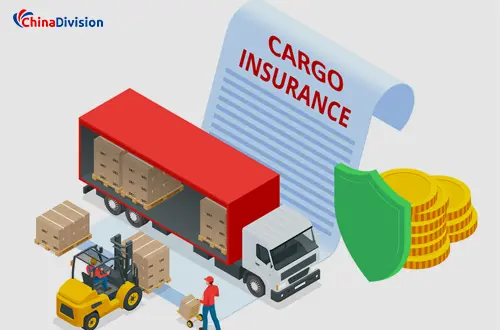
Air freight insurance provides financial protection for air shipments against physical loss or damage during transit. Unlike sea freight, air freight typically transports high-value, time-sensitive goods, leaving a significant risk gap between the carrier's liability limits (usually US$20-30 per kilogram under the Montreal Convention/Warsaw Convention).
Key advantages of B2B insurance:
Comprehensive value protection exceeding the carrier's liability limits
Cash flow protection for inventory-intensive businesses
Enhanced customer confidence through secure delivery guarantees
Compliance support for international trade finance
Full coverage remains the mainstream choice for professional order fulfillment businesses, covering all stages from warehouse to warehouse, with premiums typically ranging from 0.01% to 0.05% of the insured value.
What does air freight insurance cover?
Core Coverage (Comprehensive Insurance Policy)
Natural Disasters and Force Majeure
Lightning strikes, typhoons, floods, earthquakes, volcanic eruptions
Aviation Accidents
Aircraft collisions, crashes, fires, explosions, disappearances
Loading and Unloading Damage
Loading and unloading damage, collisions, rain/water damage, breakage
Security Risks
Theft, theft, missing packages, undeliverable goods
General Principles: External, accidental, and unintentional losses occurring during transportation (not explicitly excluded) are covered.
Common Exclusions: What situations are not covered?
Inherent Defects: Product defects, natural wear and tear, spontaneous combustion
Packaging Defects: Damage caused by insufficient/improper packaging
Special Risks: War, military action, strikes, riots, nuclear risks (available through separate war/strike insurance)
Shipper Misconduct: Intentional illegal acts, concealment, smuggling of dangerous goods
Indirect Losses: Market losses, fines, indirect losses due to delays
Air Freight Insurance Costs: Pricing Structure
Premium Calculation Formula:
Insured Value = Commercial Invoice Value × 1.1 (110%, including expected profit)
Premium = Insured Value × Rate (typically 0.01% - 0.05%)
Choosing the Right Policy Type
Based on your shipment volume, you should choose a policy that aligns with your business model:
| Policy Type | Best For | Description |
| Full Coverage (All Risks) | High-value electronics, medical devices | Broadest protection against most external causes of loss. |
| Single/Voyage Policy | One-off or infrequent shipments | Covers a specific shipment from point A to point B. |
| Open/Annual Policy | High-volume B2B exporters/importers | Automatically covers all shipments within a 12-month period. |
Cost-Saving Tip: For businesses that airfreight more than 50 items annually, an open-ended annual policy can reduce management costs per item by 60-80%.
How to Purchase Air Freight Insurance: B2B Procurement Channels?
Option 1: Through Your Order Fulfillment Partner (Recommended)
One-stop solution: Integrated booking, insurance, and tracking
Advantages: Streamlined documentation, single contact person, faster claims support
Best for: SMEs to large corporate shippers focused on operational efficiency
Option 2: Direct Insurance
Channels: Insurance companies, professional cargo insurance platforms
Advantages: Lower rates for high-volume clients, customizable terms
Best for: Large enterprises with dedicated risk management teams and annual shipments exceeding 1000 pieces
Required Documents:
Waybill number/Air waybill number
Commercial invoice and packing list
Shipper/Consignee information
Port of origin/destination, flight date
Cargo description, number of pieces, weight, declared value
Important Note: Always verify that your insurance company issues a legally valid official policy—never accept informal underwriting confirmations.
What is the claims process?
In the event of an incident, speed and documentation are your best protection. Follow these steps to ensure a smooth cargo insurance claim:
Immediate Evidence: Take high-resolution photos and videos of the damage immediately upon arrival at the site.
Document Acquisition: Obtain official damage documentation from the carrier or ground handling provider.
24-Hour Notification: Notify your freight forwarder and insurance company within 24 hours.
Document Submission: Provide the policy, waybill, invoice, and official claim list for expedited reimbursement.
How to Obtain Air Freight Insurance?
To maximize efficiency, most B2B businesses purchase insurance through their international logistics freight forwarder. This "one-stop" service ensures your booking and insurance are perfectly synchronized.
Required Documents:
Air Waybill (AWB) Number
Commercial Invoice and Packing List
Specific Information: Flight Date, Cargo Name, Weight, and Destination.
Strategic Recommendations for B2B Shippers
Catch Your Inventory Value with Coverage: Insure at 110% of the invoice amount to protect profit margins.
Warehouse-to-Warehouse: Ensure coverage extends beyond the airport terminal to include origin/destination logistics. High-Risk Routes: For cargo destined for politically unstable regions, consider adding war risk insurance.
Document Management: Maintain records for 7 years to ensure compliance with international trade regulations and support claims.
Why Partner with a Logistics Company?
While you can manage cargo insurance yourself, a professional logistics partner can streamline the process, ensure the accuracy of your declared value, and guarantee that your packaging meets the "insurable" standards of global insurers.
Ready to insure your air freight business? Chinadivision's professional order fulfillment services seamlessly integrate cargo insurance into your supply chain, protecting profit margins, ensuring compliance, and providing the reliability your B2B customers need.


About the Author: Limi

Limi is a content marketing expert at ChinaDivision, helping businesses and e-commerce sellers navigate the complexities of international shipping by providing actionable tips and comprehensive guides on logistics, shipping, and cargo transportation.