

Do Your Goods Need Maritime Commodity Inspection? How to Check HS Codes, B/AB Conditions, and Export
Not all export goods shipped by sea require statutory commodity inspection—but many high-risk, regulated, or destination-sensitive products do. In China, whether your goods require maritime commodity inspection usually depends on the product’s HS code, the customs supervision condition attached to that code (such as B or AB), the product category, destination-country rules, and whether the shipment includes regulated packaging, dangerous goods, food, cosmetics, batteries, or other controlled items. If inspection is required and not completed before customs declaration, the shipment may be delayed, rejected for export, or incur storage and demurrage charges.
Table of Contents
- What is Maritime Commodity Inspection?
- Which Commodities Require Statutory Commodity Inspection?
- How to Check Whether Your Goods Require Maritime Commodity Inspection
- Documents Commonly Required for Commodity Inspection and Export Clearance
- When do non-mandatory inspections become mandatory?
- What principles must be followed during transportation?
- Chinadivision: How to Ensure Smooth and Unobstructed Inspection and Quarantine Processes for Maritime Commodities?
- Frequently Asked Questions
What is Maritime Commodity Inspection?
Maritime commodity inspection, also known as import and export commodity inspection and quarantine (often referred to as maritime legal inspection or statutory commodity inspection), is a mandatory verification process and a critical link in the global supply chain.
It is a verification procedure enforced by customs authorities in accordance with the law, designed to ensure the safety, hygiene, quality, and quarantine standards of imported and exported goods. Statutory commodity inspection follows the principle of "inspection before customs declaration" and is a necessary prerequisite for sea freight exports.
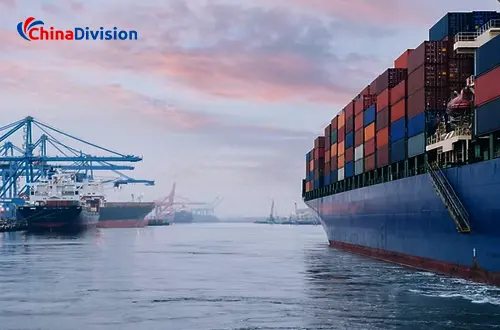
In international maritime transport, this process is often referred to as maritime legal inspection or statutory commodity inspection. This is a key compliance step that must be followed before export customs clearance. Mandatory List: Goods Subject to Maritime Legal Inspection
The primary basis for determining necessity is the HS code. If your product code contains B (Mandatory Export) or AB (Mandatory Import/Export), maritime legal inspection is non-negotiable.
According to China's *Import and Export Goods Inspection Law* and *List of Goods Subject to Inspection*, all goods subject to statutory maritime inspection must obtain an export clearance certificate issued by the customs inspection and quarantine department before release.
Core Functions of Import and Export Commodity Inspection and Quarantine:
- Preventing the Cross-Border Flow of Substandard Goods: Preventing substandard, unsafe, or pathogen-carrying products from entering international trade channels.
- Issuing Necessary Clearance Documents: Providing the mandatory certificates required for customs release.
- Ensuring Market Access at the Destination: Verifying compliance with international standards (EU CE marking, US FDA regulations, etc.) to prevent entry refusal.
Which Commodities Require Statutory Commodity Inspection?
| Product Type | Often Requires Statutory Inspection? | What Usually Triggers Inspection |
|---|---|---|
| Food, agricultural products, meat, aquatic products | Yes | Food safety, quarantine, sanitary compliance |
| Wooden packaging / pallets / dunnage | Often yes / related phytosanitary control | ISPM 15 / IPPC treatment and marking requirements |
| Toys, baby products, certain textiles | Often yes | Consumer safety, labeling, chemical compliance |
| Batteries, electrical products, chargers, cables | Frequently | Safety, dangerous goods risk, destination compliance |
| Hazardous chemicals, paints, adhesives | Yes in many cases | DG classification, packaging performance, MSDS |
| Cosmetics and beauty products | Often depends on product and market | Ingredient safety, labeling, destination-country rules |
| Medical devices and certain health products | Often | Registration, compliance, technical documentation |
| Used machinery / used electronics | Frequently higher-risk | Safety, quarantine, customs scrutiny |
| Animal/plant-derived materials | Often | Quarantine, pest, disease, sanitary requirements |
Important: The final determination should be based on the product’s HS code, customs supervision condition (such as B/AB), current China customs rules, and the destination country’s import requirements—not just the product name.
To determine whether your goods require maritime legal inspection, first check the relevant HS code regulations. Goods marked B (Mandatory Export Inspection) or AB (Mandatory Import/Export Inspection) must undergo statutory commodity inspection before export.
Category 1: Food and Agricultural Products
Products requiring inspection:
Fresh agricultural products, meat and aquatic products
Dairy products, canned foods, tea and edible oils
Key inspection areas: Pesticide residue detection, microbiological analysis, and sanitary safety verification. Recent regulatory updates (Announcement No. 254 [2025]) have simplified quarantine measures for certain biological materials while maintaining strict safety procedures for food imports.
Category 2: Animal and Plant Products
Products requiring inspection:
Live animals, seedlings, timber and bamboo products
Animal feed and unprocessed timber
Key inspection areas: Pest and disease detection. Critical requirement: All wooden packaging must bear the International Plant Protection Convention (IPPC) fumigation mark to prevent the cross-border spread of forest pests and diseases.
Category 3: Light Industrial and Consumer Goods
Products requiring inspection:
Toys, ceramic/glass tableware, lighters
Infant and toddler textiles and care products
Key inspection areas: Safety testing, heavy metal content analysis, and flammability assessment. These products are subject to more stringent scrutiny due to their direct impact on consumer safety.
Category 4: Textiles and Apparel
Products requiring inspection:
Fabrics containing 60% or more cotton
Infant and toddler clothing and bedding
Key inspection areas: Formaldehyde content, azo dye compliance, and colorfastness testing – ensuring products meet international health and safety standards.
Category 5: Electromechanical and Electronic Products
Products requiring inspection:
Small household appliances, wires and cables
Batteries, lighting fixtures, and low-voltage electrical equipment
Key inspection areas: Safety certification and performance verification. These products typically require certification for specific destination countries/regions (e.g., CE certification for the EU, FCC certification for the US, etc.).
Category 6: Hazardous Chemicals and Dangerous Goods
Products requiring inspection:
Paints, pesticides, batteries, and adhesives
Key inspection areas: Dangerous goods packaging performance testing, Material Safety Data Sheet (MSDS) verification, and dangerous goods classification identification. Note: Companies producing packaging for dangerous export goods must apply to a commodity inspection agency for performance testing; dangerous goods must use approved packaging.
Category 7: Special Regulatory Categories
Other products requiring maritime commodity inspection include:
Cosmetics and beauty products
Medical devices and equipment
Fireworks and explosives
Used mobile and electrical products
Specific automotive parts
How to Check Whether Your Goods Require Maritime Commodity Inspection
For most exporters, the safest way to determine whether a shipment needs statutory inspection is to review four checkpoints together:
1) Check the HS code
Start with the product’s 10-digit China customs HS code (or the code used for export declaration in China). Inspection requirements are generally tied to the HS code rather than the commercial product name.
2) Check the customs supervision condition
Look for customs supervision conditions such as B or AB attached to the HS code. In practice, these codes are often the first signal that the goods may require statutory inspection or quarantine-related procedures before export declaration.
3) Check whether the product falls into a high-control category
Even before checking the HS code in detail, products in the following categories should be treated as high-probability inspection items:
- food and agricultural goods
- wood packaging and plant-related products
- batteries and dangerous goods
- cosmetics and medical products
- toys, baby products, and safety-sensitive consumer goods
4) Check destination-country requirements
A shipment may be exportable from China but still blocked by the importing country if it lacks destination compliance documents such as:
- FDA-related registrations for certain food products entering the US
- CE-related compliance documentation for certain products entering the EU
- phytosanitary / sanitary certificates for agricultural goods
- pre-shipment inspection certificates required by specific markets or buyers
Practical tip
If you are unsure, ask your freight forwarder or fulfillment partner to complete a pre-shipment compliance review before cargo booking. This is much cheaper than discovering a problem after the container reaches the port.
Documents Commonly Required for Commodity Inspection and Export Clearance
The exact documentation depends on the product and destination, but exporters commonly need some combination of the following:
- Commercial invoice
- Packing list
- Sales contract / purchase order
- Bill of lading or booking information
- Product HS code and declaration details
- Product labels / specifications / photos
- Test reports or conformity certificates where applicable
- Factory registration or manufacturer information for regulated products
- Dangerous goods documentation (if applicable), such as SDS/MSDS and DG classification materials
- Packaging declarations or wood packaging compliance evidence where relevant
- Customs / inspection application materials required by the port or customs authority
For higher-risk categories, additional documents may be required:
Food / agricultural goods
- sanitary certificates
- health certificates
- origin or production records
- manufacturer registration information
Batteries / dangerous goods / chemicals
- SDS / MSDS
- UN38.3 or transport-related battery documentation where applicable
- dangerous goods package performance documentation
- transport classification details
Wooden packaging
- evidence of ISPM 15 treatment and correct IPPC mark where required
When do non-mandatory inspections become mandatory?
Even if Chinese customs does not mandate maritime inspections, voluntary inspections are required in certain situations:
Contract quality assurance
When customers request inspections from third-party inspection agencies (such as SGS, Bureau Veritas, Intertek) and require a quality certificate as a condition of purchase. This is increasingly common in B2B relationships because buyers need to independently verify product specifications.
Destination country requirements
Many importing countries have local certification or inspection requirements for specific commodity categories. For example:
Toys and electronic products entering the EU require CE marking.
Food entering the US requires FDA factory registration.
Some Middle Eastern countries require pre-shipment inspection certificates.
Packaging and container compliance
Export packaging for dangerous goods and food containers must comply with shipping inspection requirements to ensure safe transport—even if the contents themselves are not subject to statutory inspection.
What principles must be followed during transportation?
Inspection before customs declaration
This means that goods requiring statutory commodity inspection must first pass inspection and obtain the necessary customs clearance certificates. Without these documents, customs will not release the goods for export.
For exporters and cross-border sellers, failure to complete import and export commodity inspection and quarantine procedures may result in:
Port cargo transportation delays
Customs refusal to clear clearance
Additional storage and demurrage fees
Potential fines or return of goods
Maritime Commodity Inspection Process: Step-by-Step Explanation
Understanding the process helps businesses avoid delays:
Exporting Commodities
Application: The shipper must submit an inspection application to the designated commodity inspection agency within the specified time.
Inspection Execution: The inspection agency conducts sampling, testing, and conformity assessment.
Certificate Issuance: Upon successful inspection, a customs clearance certificate is issued.
Customs Declaration: Customs releases the goods based on the inspection certificate.
Export Declaration: Inspected goods must be declared for export within the validity period.
Important Time Reminder: If the export declaration validity period has expired, a new inspection application must be submitted.
Imported Goods
Pre-declaration: The consignee applies for inspection at the customs declaration point.
Document review: Submit the contract, invoice, packing list, bill of lading, and relevant approval documents.
Inspection completion: The goods undergo inspection within the unified time limit stipulated by the national competent authority.
Release: Customs releases the goods based on the release document issued by the inspection authority.
Post-clearance compliance: The consignee must apply for inspection to the entry-exit inspection and quarantine agency within 20 days after customs clearance.
Important Note: Imported goods that have not undergone statutory inspection may not be sold or used until compliance is confirmed.
2024-2025 Regulatory Updates Affecting Maritime Inspection
Knowing regulatory changes in a timely manner is crucial for compliance:
Simplified Biological Materials (Announcement No. 254 of 2025)
Effective December 30, 2025, the General Administration of Customs has implemented scientifically improved quarantine and supervision measures for imported and exported biological materials, ensuring safety while facilitating trade.
Notification Regarding Imported Aquatic Products
The General Administration of Customs of China maintains specific inspection, quarantine, and sanitary requirements for aquatic products from different countries. Non-compliant products will be returned, destroyed, or subject to other disposal measures.
WTO Notification of Revised Measures (July 2025)
China has notified the WTO of revised inspection and quarantine measures for feed products, fruits, animal products, wood packaging, and grains, and is accepting public comments until September 20, 2025. These updates reflect evolving international standards and bilateral agreements.
Chinadivision: How to Ensure Smooth and Unobstructed Inspection and Quarantine Processes for Maritime Commodities?
The inspection and quarantine requirements for import and export commodities are complex and require specialized knowledge and skills.
Pre-shipment Compliance Verification
HS Code Classification Accuracy: Ensure correct identification of regulatory conditions (B/AB codes) before shipment.
Document Preparation: Comprehensive review of contracts, invoices, packing lists, and required approval documents.
Regulatory Update Monitoring: Continuously track changes to the list of goods subject to inspection and international standards.
Inspection Coordination Services: Direct coordination with customs inspection and quarantine departments to simplify the application process.
Testing Assistance: Arrange necessary laboratory testing through certification bodies.
Certificate Management: Timely acquisition and verification of export clearance certificates and customs release documents.
Risk Mitigation for B2B and E-commerce Clients
Destination Market Analysis: Verify specific requirements of the importing country in addition to those mandated by China.
Packaging Compliance: IPPC for wooden packaging. Marking Verification and Dangerous Goods Packaging Suitability Testing
Contingency Planning: Developing alternative routes and remedial strategies for goods requiring re-inspection
Technology-Enabled Transparency
Real-Time Status Tracking: Real-time monitoring of inspection application status and customs clearance progress
Digitalized Documents: Securely storing and retrieving inspection certificates for future reference
Compliance Reporting: Detailed records supporting audit requests and regulatory inquiries
Marine commodity inspection and statutory commodity inspection requirements are not merely regulatory hurdles, but quality assurance mechanisms that protect brand reputation and ensure customer satisfaction. By understanding which goods require maritime statutory inspection and collaborating with experienced logistics professionals, businesses can transform compliance from a cost center into a competitive advantage.
For any exporter engaged in international shipping, understanding which goods require maritime commodity inspection is crucial. Products subject to statutory commodity inspection must complete the necessary import and export commodity inspection and quarantine procedures before customs clearance.
For B2B sellers, manufacturers, and cross-border e-commerce companies, partnering with experienced logistics partners can significantly streamline this process.
Chinadivision provides end-to-end logistics solutions—from inspection coordination and customs clearance to international shipping and distribution—allowing businesses to focus on growth while we handle the complexities of global logistics. If you are planning an international shipment and wish to ensure compliance with maritime law inspection requirements, please contact Chinadivision immediately to streamline your shipment process.
Frequently Asked Questions
Is statutory commodity inspection the same as a factory quality inspection?
No. A factory inspection or pre-shipment inspection usually checks product quality, quantity, packaging, or workmanship. Statutory commodity inspection is a regulatory compliance procedure linked to customs, quarantine, and legal export requirements. Some shipments need both.
Can a shipment be exported if inspection is required but the certificate has not been issued yet?
Usually, that creates a serious risk. If the shipment requires inspection before customs declaration, customs may hold the cargo or refuse release until the necessary inspection procedures and documentation are completed.
Does every shipment with wooden pallets need special compliance checks?
Wood packaging used in international shipping often needs to comply with ISPM 15 / IPPC treatment and marking requirements. Even if the goods themselves are not heavily regulated, non-compliant wooden packaging can still cause customs or quarantine problems at destination.
Authoritative Sources & References


About the Author: Limi

Limi is a content marketing expert at ChinaDivision, helping businesses and e-commerce sellers navigate the complexities of international shipping by providing actionable tips and comprehensive guides on logistics, shipping, and cargo transportation.