

What are the hidden losses caused by incorrect HS code classification?
HS codes (Harmonized System codes) and HTS codes (nationally extended versions of HS codes, such as the US Harmonized Tariff Schedule) are the legal basis for tariffs, import duties, licenses, and many trade control measures. Therefore, an error in a single digit can change everything from tax rates to required certificates. Customs authorities worldwide treat incorrect classification as false declarations, meaning back taxes, fines, and in severe cases, goods may be seized or prosecuted.
Table of Contents
Because these risks are not always apparent at the time of shipment, many B2B sellers and e-commerce exporters often underestimate their impact until problems arise. As a professional third-party international logistics service provider, we have witnessed firsthand how these errors can disrupt supply chains. This article will delve into the key functions of HS codes, revealing six major categories of hidden losses caused by errors, and explaining how to protect your business. For a deeper understanding of global coding differences, please refer to our related article: "Differences in the Number of Digits in Hs Codes of Different Countries."
Key Functions of HS Codes in Global Trade
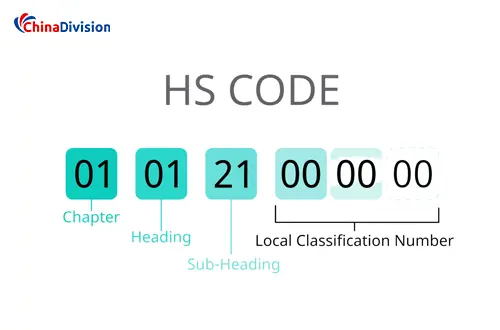
HS codes are the "global ID cards" of goods, standardized according to the Harmonized Tariff System (HTS). Correct use of HS codes is crucial for smooth international trade:
Customs Classification: Customs authorities use HS codes to identify products and ensure the correct collection of tariffs, taxes, and fees.
Trade Compliance: HS codes ensure businesses comply with international regulations and correctly declare goods in cross-border transactions.
Tariff Determination: A specific HS code determines the applicable import tariffs, taxes, and trade restrictions.
Trade Flow Analysis: Governments and organizations use HS codes to monitor global trade patterns and collect statistical data.
Trade Agreement Facilitation: HS codes identify goods eligible for preferential tariff rates under Free Trade Agreements (FTAs).
Risk Misconduct: Accurate classification minimizes the risk of penalties, delays, and disputes during customs clearance.
Common HS Code Mistakes and How to Avoid Them
Given the importance of HS codes or HTS codes (Harmonized Tariff System codes), misuse of HS codes or HTS codes can have serious consequences. The following are the most common mistakes:
- Incorrect Product Classification
Guessing the code based solely on the product name is extremely dangerous. For example, misclassifying a "Bluetooth speaker" (with a radio) as a loudspeaker (HS code 8518) instead of a radio broadcasting device (HS code 8527) can result in incorrect tariff rates and potential penalties. Customs authorities may even consider it fraudulent.
Solution: Don't guess. Use official classification tools or consult an expert. Refer to the Harmonized System Interpretive Rules (GIRs) for verification.
- Using outdated codes
The Harmonized System is updated every five years. Using deleted or changed codes will result in declaration rejection. For example, updates after 2022 introduced new HS codes for drones (88.06) and smartphones (8517.13).
Solution: Regularly check the World Customs Organization (WCO) or national customs databases for the latest HS codes.
- Globally recognized country-specific codes
Only the first six digits of an HS code are globally recognized. Each country adds its own digits afterward. For example, the 10-digit US HTS code is invalid in EU declarations.
Solutions:
- Intentionally Choosing a "Lower Price" Code
Choosing a lower tax rate or a vaguely defined "part" code to save money is very risky. Customs systems can detect mismatches. Underpaying taxes can lead to liability for the difference and may result in fines and confiscation.
Solution: Strictly classify according to the actual characteristics and composition of the product. Do not pursue the lowest tax rate.
- Failure to Exercise Reasonable Care
In regions like the United States, importers are legally responsible for correct classification. Blindly relying on customs brokers without providing detailed product specifications can lead to errors.
Solution: Work closely with your logistics partners. Provide detailed product details and maintain an internal, approved HS code database, auditing it regularly.
- Ignoring Section Notes
The Harmonized System includes legal notes defining classifications, inclusions, and exclusions. Ignoring these notes based solely on the heading text can lead to errors.
Solution: Always consult legal notes and apply general rules. These six rules provide a legal framework for commodity classification, especially applicable to complex goods such as mixtures or retail sets.
Six Hidden Losses Caused by HS Code Errors
Misclassification doesn't just mean higher tax bills; it can trigger a series of disastrous chain reactions:
- Soaring Tariff Costs
Different HS codes correspond to different tariff rates. An incorrect HS code may reclassify a low-tariff product into a high-tariff category, resulting in huge unexpected tariffs. Conversely, deliberately underreporting the commodity category can lead to back taxes, late fees, and penalties far exceeding the initial "savings."
- Soaring Inspection Rates and Delays
Customs systems will mark HS code anomalies as high-risk, triggering manual inspections. For time-sensitive air cargo, a 1-3 day delay means missed flights, failed deliveries, and accumulating airport storage fees.
- Cargo Detention Due to Lack of Certification
Some HS codes require certification (e.g., CE, FDA, SABER, etc.). If misclassification results in your goods being assigned to a controlled code and lacking necessary documentation, customs will detain the goods. Recertification is time-consuming, labor-intensive, and costly; the goods may ultimately be auctioned or returned, resulting in a double loss of product and shipping costs.
- Administrative Penalties and Credit Rating Downgrade
Whether intentional or not, misclassification is generally considered a false declaration. This will result in fines and a negative record in your company's customs credit history. A downgraded credit rating means that every future shipment will face rigorous scrutiny, severely impacting long-term shipping efficiency and damaging customer trust.
- Customs Clearance Failure in Destination Country
Origin and destination customs data are interconnected. An error in the origin will lead to a mismatch in destination data and be considered a false declaration. In strictly regulated regions (US, EU, Middle East), this can result in the seizure, fines, or return of goods. In the worst-case scenario, the customer may abandon the goods, resulting in irrecoverable payments and total loss for you.
- Legal and Joint Liability Risks
Misclassification of controlled items or goods requiring licenses may be considered illegal export. This will expose your business to the risk of goods being confiscated, hefty fines, and administrative liabilities. Your freight forwarders and customs brokers will also face penalties, damaged relationships, and hidden maintenance costs.
How to Avoid HS Code Classification Risks?
Professional logistics providers recommend the following preventative measures:
Check the customs code before shipment.
Maintain an internal product classification database.
Review the legal notes and section notes in the Harmonized System.
Provide detailed product specifications to your logistics partners.
Conduct regular compliance audits.
Frequently Asked Questions (FAQ)
How do I find the correct HS code for my product?
First, you can look up the common 6-digit HS code through the World Customs Organization or your country's customs portal. For complete codes, consult the Harmonized Customs System of your destination country. If in doubt, use professional classification tools or seek expert advice.
Who usually provides the HS code for international freight transport?
The shipper (exporter) is usually responsible for providing the correct HS code on the commercial invoice and packing list. However, importers must verify the accuracy of their codes in the destination country, as they bear ultimate responsibility for customs compliance.
What is the difference between the US HTS code and Schedule B code?
The Harmonized Tariff System (HTS) code is a 10-digit code used for imports into the United States. Schedule B codes are 10-digit codes managed by the US Census Bureau for exports from the United States. While similar, they differ in their statistical and regulatory uses.
Why choose to partner with a professional logistics provider like Chinadivision?
Managing HS codes, HTS codes, and responding to Harmonized System updates is increasingly complex and resource-intensive for brand owners, B2B buyers, and cross-border e-commerce sellers. Professional third-party international logistics and warehousing providers like Chinadivision can integrate correct product categorization into your end-to-end processes—from product warehousing, document processing, booking to last-mile delivery—helping you eliminate potential losses before they occur.
By partnering with experts who understand both the Harmonized Customs Scheme (HS) and local tariff extension regulations, you can: minimize customs overpayments, avoid cargo detention and transshipment, maintain a strong customs compliance record, and satisfy your international customers with predictable delivery times.
Secure Your Supply Chain with Chinadivision
In international logistics, accuracy equals profit. A single HS code error can cripple your entire supply chain, turning a routine shipment into a financial nightmare. Chinadivision helps you eliminate this risk.
We have an experienced team to ensure your goods are accurately classified before shipment. We maintain a real-time global database of HS and HTS codes, navigate the complex Harmonized Customs Schemes covering over 200 countries and regions, and manage all necessary certifications to prevent cargo detention.
Don't let hidden losses erode your profits. If you want to prevent HS code classification errors from silently eroding your profits and damaging your brand, integrate HS code auditing and compliance into your logistics workflow and let Chinadivision handle the complex operations of your cargo transportation and fulfillment.


About the Author: Limi

Limi is a content marketing expert at ChinaDivision, helping businesses and e-commerce sellers navigate the complexities of international shipping by providing actionable tips and comprehensive guides on logistics, shipping, and cargo transportation.